
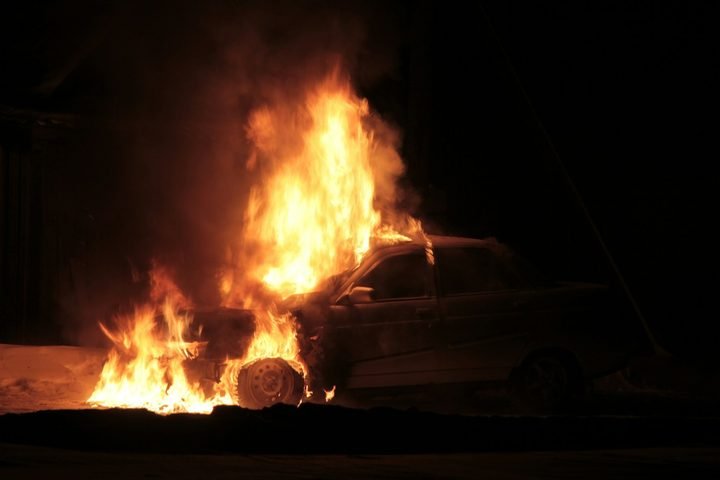
In 30 seconds
- Comprehensive coverage pays if your vehicle is damaged by fire, according to the Texas and California insurance departments.
- Liability coverage pays for damage you cause to other people's vehicles and property. It doesn't pay to fix your own.
- You pay your comprehensive deductible first. Most policies don't cover damage you cause on purpose.
- If your vehicle catches fire, pull over, turn off the engine, get everyone out, move at least 100 feet away and call 911.
In this article
Vehicle fires and auto insurance at a glance
- Coverage that pays for fire: comprehensive
- Liability-only policy: doesn't pay for your own vehicle
- Deductible: yes, on comprehensive claims
- Intentional damage: most policies don't cover it
- Financed or leased vehicle: lender usually requires comprehensive
From the Texas Department of Insurance (Auto insurance guide) and the California Department of Insurance (Auto Insurance 101).
Which coverage pays for a vehicle fire
Fire damage to your own vehicle falls under comprehensive coverage, sometimes called "other than collision." The Texas Department of Insurance's auto insurance guide says comprehensive pays if your vehicle is stolen or damaged by fire, flood, vandalism or something other than a collision. The California Department of Insurance gives a similar list: fire, theft, vandalism, windstorm, flood and falling objects.
Collision coverage is the other half of physical damage coverage. Texas describes it as paying to repair or replace your vehicle after an accident, and California says it covers damage from physical contact with another vehicle or an object. If you're not sure how the two split up, see our guide to comprehensive vs. collision coverage.
| Coverage | Pays for fire damage to your vehicle? |
|---|---|
| Comprehensive | Yes, after your deductible |
| Collision | Covers crash damage. Ask your insurer which coverage applies if a fire follows a crash. |
| Liability only | No. It pays for damage you cause to others. |
Based on the Texas Department of Insurance auto guide and California Department of Insurance, Auto Insurance 101. Read your own policy for exact terms.
Why liability-only coverage won't help
Some drivers carry only the liability coverage their state requires. California's guide says liability pays for damage you cause to someone else's vehicle. Texas says it pays to repair the other driver's vehicle if you caused the accident. Neither describes liability as paying for your own vehicle.
So if your vehicle burns in your driveway and you carry only liability, you're likely paying for the loss yourself. Check your declarations page now, not after a fire, to see whether comprehensive is listed. Our guide to liability auto insurance explains what that coverage does pay for.
The Texas Department of Insurance says that if you still owe money on your vehicle, your lender will require collision and comprehensive coverage. California's guide adds that if you have a loan and don't buy the coverage, the loan company may buy it and charge you.
What you'll pay: the deductible
Comprehensive claims come with a deductible, the amount you pay before your insurer pays. The Texas Department of Insurance says you must pay a deductible for collision, comprehensive and uninsured or underinsured motorist claims. California's guide defines a deductible as the amount of loss you're responsible for paying.
Texas also notes that collision and comprehensive don't have dollar limits the way liability does. If the damage is severe, your insurer may declare the vehicle a total loss, so ask how it will value your vehicle. Our guides to choosing a deductible and how a total loss claim works walk through both.
What isn't covered
Comprehensive is broad, but it has limits. These are the ones that matter most after a fire:
- ✓ Fires set on purpose. The Texas Department of Insurance lists damage you caused intentionally among things most policies don't cover.
- ✓ Wear, tear and breakdowns. California's guide says comprehensive doesn't cover mechanical breakdown, normal wear and tear, or maintenance. Ask your insurer how it handles a fire that started from a mechanical problem.
- ✓ Liability-only policies. Without comprehensive, there's no coverage for fire damage to your own vehicle.
- ✓ Items inside the vehicle. Ask your insurer whether belongings that burned are covered under your auto policy or need a claim under a homeowners or renters policy.
A sample claim, step by step
Marcus's engine fire
Marcus, 41, smells something burning on his drive home and sees smoke from under the hood. He pulls onto the shoulder, turns off the engine, gets his son out and moves about 100 feet away before calling 911. He doesn't open the hood.
Firefighters put out the fire, but the engine compartment is destroyed. Marcus has comprehensive coverage with a $500 deductible. He calls his insurer from the roadside, takes photos once it's safe, and asks the fire department how to get a copy of its report.
Say the insurer's adjuster values the vehicle at $9,000 and declares it a total loss. After the $500 deductible, the insurer pays $8,500. Marcus still owes money on his loan, so he calls his lender too and asks the insurer how the payment will be split.
His neighbor, who had a similar fire, carried only liability coverage. Her policy paid nothing toward her own vehicle.
Illustrative example. Names are made up. Dollar amounts are made up to show how a deductible and a total loss payout can work.
What to do if your vehicle catches fire
Your safety comes first and the claim comes second. The U.S. Fire Administration gives these steps:
- Pull over as soon as it's safe Then turn off the engine.
- Get everyone out Don't try to fight the fire yourself, and never go back into a burning vehicle.
- Leave the hood and trunk closed If you think the fire is under the hood or in the trunk, don't open it. That could make the fire grow.
- Move at least 100 feet away Keep everyone well away from the vehicle and away from traffic.
- Call 911 Let firefighters put out the fire.
The USFA notes that mechanical and electrical problems, along with crashes, are common causes of vehicle fires. Its prevention advice is simple: have a trained mechanic service your vehicle regularly, and if you must carry gas cans or propane tanks, seal them tightly, keep them upright and away from passengers, and keep windows open.
How to file the claim
Once everyone is safe, start the claim. The Texas Department of Insurance's guide recommends telling your insurance company as soon as possible, taking pictures, and sending the company copies of the police report when there is one.
- ✓ Call your insurer promptly and ask which coverage the claim falls under.
- ✓ Take photos of the damage once firefighters say it's safe.
- ✓ Get the fire or police report number and ask how to request a copy.
- ✓ Don't throw anything away until the adjuster has seen the vehicle.
- ✓ Tell your lender if you have a loan or lease.
For the full process, see how to file an auto insurance claim.
Frequently asked questions
Does auto insurance cover a car fire?
Yes, if you have comprehensive coverage. The Texas and California insurance departments both list fire among the things comprehensive pays for. Liability coverage alone doesn't pay for your own vehicle.
Does liability insurance cover fire damage to my own vehicle?
No. Liability pays for damage you cause to other people's vehicles and property, not your own.
Do I pay a deductible for a vehicle fire claim?
Yes. Comprehensive claims carry a deductible, which you pay before your insurer pays the rest.
Does insurance pay if someone sets my vehicle on fire?
Vandalism is listed under comprehensive coverage by the Texas Department of Insurance. Damage you cause intentionally is a different matter: Texas lists it among things most policies don't cover.
What if my vehicle is totaled by a fire?
If you have comprehensive coverage, your insurer may declare the vehicle a total loss and pay you for it, minus your deductible. Ask how it values the vehicle, and tell your lender if you have a loan.
Should I open the hood if I see smoke?
No. The U.S. Fire Administration says not to open the hood or trunk if you suspect a fire there, because it could make the fire grow.
How far should I stay from a burning vehicle?
The U.S. Fire Administration says to move everyone at least 100 feet away and well away from traffic, then call 911.
Does comprehensive cover a fire caused by a mechanical problem?
California's guide says comprehensive doesn't cover mechanical breakdown or wear and tear. Ask your insurer how it handles a fire that started from a mechanical failure.
See what you could pay
Compare options available where you live, or call to talk it through with a licensed agent. Looking is free.
ConnectingCrowd is an information site and is not affiliated with any government agency.
Compare auto insurance options
SponsoredRelated guides
See all auto insurance guides Comprehensive vs collision coverage: which one pays for what
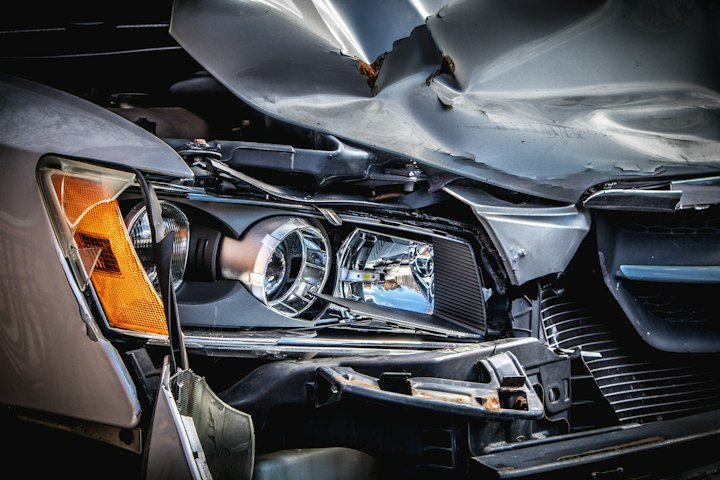 Vehicle totaled? How a total loss claim works, and how to push back on a low offer
 Just had an accident? How to file an auto insurance claim, step by step
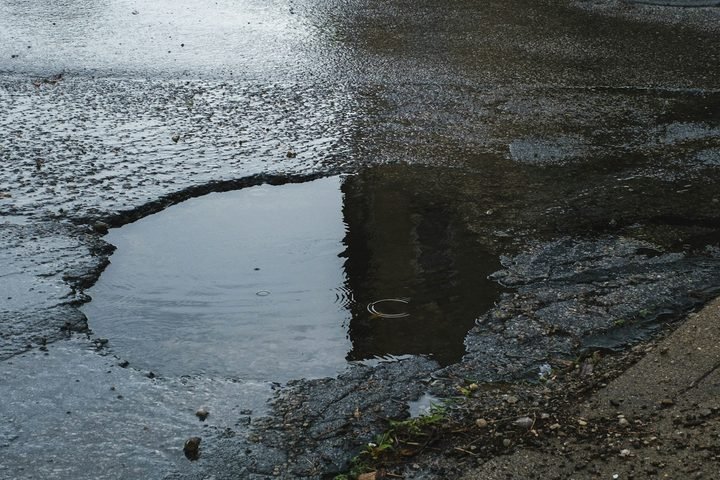 Does auto insurance cover pothole damage? Collision coverage, deductibles and road claims
 Does my auto insurance cover me in Mexico? Why you need a Mexican policy
 Does auto insurance cover someone else driving my car? What to check before you lend it
See auto insurance options near you
Rates and available coverages vary by state and insurer. Add your ZIP code to compare. It is free and you are not committing to anything.
Find auto insurance that fits your loan or lease
SponsoredSources
Disclaimer: This article is for general information only and is based on publicly available sources, which may be incomplete, outdated or incorrect. It is not legal, financial, insurance, tax or medical advice. ConnectingCrowd is not affiliated with any government agency, insurer or lender. Please do your own research and talk to a licensed professional before making any decision.