
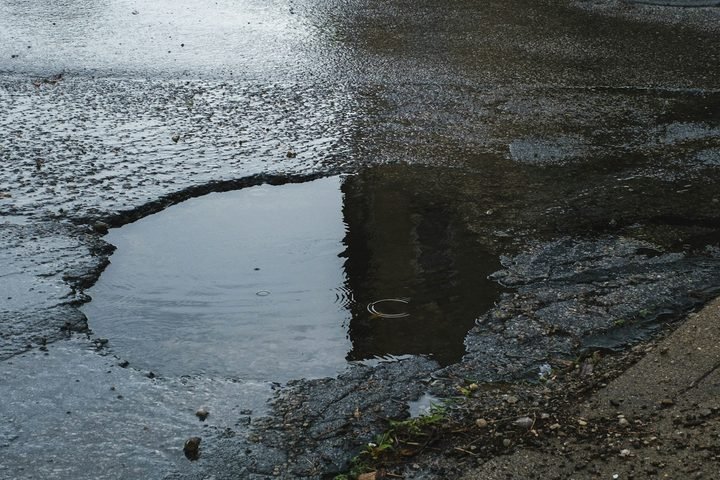
In 30 seconds
- The Pennsylvania Insurance Department has said pothole damage is covered under the optional collision portion of an auto policy.
- Coverage can vary by insurer, and there may be limited coverage for tire damage if the rest of the vehicle wasn't affected.
- Your deductible applies. If the repair costs less than your deductible, the insurer doesn't have to pay.
- Claims against the state are often denied. PennDOT says state law prohibits paying property damage claims caused by potholes, and Michigan DOT says most road defect claims are denied under governmental immunity.
In this article
Pothole damage at a glance
- Usual coverage: collision, which is optional
- Tires alone: coverage may be limited
- Your share: the collision deductible
- Pennsylvania state roads: pothole claims generally denied by law
- Michigan state trunklines: claims of $1,000 or more require a lawsuit
From the Pennsylvania Insurance Department, PennDOT and Michigan DOT. Rules vary by state.
Does auto insurance cover pothole damage?
Usually, but only if you bought collision coverage. In a consumer notice, the Pennsylvania Insurance Department said that damage to cars due to potholes is covered under the optional collision portion of an auto insurance policy. The same notice describes collision as coverage that pays for a collision with another car or object, or for damage from flipping over.
The word optional matters. Collision is coverage you choose to buy. If your policy only has the coverages your state requires, pothole damage to your own vehicle may not be covered at all. Check your declarations page, the summary page of your policy that lists each coverage you carry, to see whether collision is on it.
The Pennsylvania notice also flagged two limits worth knowing. Coverage for potholes may vary from company to company, and there may be limited coverage for damage to tires if the vehicle itself wasn't affected. A blown tire on its own is the kind of loss you should ask your insurer about before you file.
Collision vs. comprehensive for road damage
Drivers often mix up the two physical damage coverages. Here's how the Pennsylvania Insurance Department and the California Department of Insurance describe them. For a fuller comparison, see comprehensive vs. collision coverage.
| Coverage | What it covers | Pothole damage? |
|---|---|---|
| Collision | A collision with another car or object, or flipping over | Usually, per the Pennsylvania Insurance Department |
| Comprehensive | Losses other than a collision, such as theft, fire, flood, hail, weather or falling debris | Not the usual fit for a pothole hit |
From the Pennsylvania Insurance Department and the California Department of Insurance. Your policy wording controls.
The California Department of Insurance, in a 2025 storm alert, said that if your vehicle was damaged by falling debris or flooding, you may have coverage under a comprehensive policy. That's the line between the two: hitting a hole in the road is a collision with an object, while a tree limb landing on a parked vehicle is a comprehensive loss.
How your deductible changes the math
Every collision claim comes with a deductible, the amount you pay before insurance pays. The California Department of Insurance puts it simply: if the damage is below the deductible, the insurance company wouldn't be obligated to pay.
That matters for potholes, because a lot of pothole repairs are modest: an alignment, a tire, a bent wheel. If your deductible is $1,000 and the repair is $600, a claim won't pay anything. Get a repair estimate first, then compare it with the deductible on your declarations page before you decide whether to file.
Your policy is the final word. Call your insurer or agent, describe the damage, and ask whether it would be handled as a collision claim and how your deductible applies.
Can you make the state or city pay?
Many drivers' first instinct is to send the bill to whoever owns the road. You can try, but official state guidance shows these claims are often denied.
Pennsylvania. PennDOT says you have the right to file a claim for vehicle damage from hitting a pothole. But it also says the state's exception to sovereign immunity specifically prohibits paying property damage claims caused by potholes, sinkholes or conditions created by the natural elements. PennDOT says its claims office is required to deny the claim, and that this applies to every claim except in very limited circumstances. Claims are submitted online through the state's claims portal.
Michigan. The Michigan Department of Transportation says most damage claims are denied under governmental immunity laws. MDOT only takes pothole claims for damage on a state trunkline. For county, city or village roads, you have to contact the local agency. If your claim is under $1,000, MDOT will investigate it, and investigations typically take at least 90 days. If it's $1,000 or more, MDOT says you can recover only by filing a lawsuit against MDOT, and it suggests talking with a private attorney.
Rules differ in other states, counties and cities. Ask the agency that maintains the road how its claims process works and whether there's a deadline.
A pothole claim, step by step
Dana's bent wheel
Dana hits a deep pothole on a state highway in February. The tire goes flat and the wheel is bent. A shop estimates $1,400 for a new wheel, tire and alignment.
Dana checks her declarations page. She carries collision coverage with a $500 deductible. She calls her insurer, which handles it as a collision claim. After her $500 deductible, the insurer pays the remaining $900 of the covered repair.
Her neighbor Luis hits the same pothole. His repair is $450 and his collision deductible is $500, so a claim would pay nothing. He pays the shop himself and reports the pothole to the road agency.
Both look into a claim against the state. In a state like Pennsylvania, where the law bars paying pothole damage claims, that route is unlikely to pay either of them.
Illustrative example. Names and amounts are made up. Your coverage and deductible depend on your policy.
What to do after you hit a pothole
- Get somewhere safe. Pull over where it's safe and check for tire, wheel or suspension damage before you keep driving.
- Document the pothole and the damage. Take photos of the hole, the location and your vehicle. Note the date, time and road name.
- Get a repair estimate. You need a number to compare with your deductible.
- Read your declarations page. Confirm you have collision coverage and note the deductible.
- Call your insurer if the repair beats the deductible. Ask how a pothole claim would be handled. Our guide on how to file an auto insurance claim covers the process.
- Report the pothole to the road owner. Find out whether it's a state, county or city road, and ask about that agency's claims process and deadlines.
For the full claims process, see how to file an auto insurance claim. If your insurer turns you down, our guide on what to do when an auto insurance claim is denied explains your options.
Questions to ask your insurer
- ✓ Is pothole damage handled under my collision coverage?
- ✓ What is my collision deductible, and does it apply to this claim?
- ✓ Is tire-only damage covered under my policy, or is coverage limited?
- ✓ Can I pick my own repair shop?
- ✓ If I don't have collision now, what would it cost to add it?
On the repair shop question, the Pennsylvania Insurance Department has said that state law lets drivers choose their own repair facility. Other states have their own rules, so ask your state's insurance department if you're unsure. In California, the Department of Insurance consumer hotline is 800-927-4357.
Frequently asked questions
Does auto insurance cover pothole damage?
Usually, if you have collision coverage. The Pennsylvania Insurance Department has said pothole damage is covered under the optional collision portion of an auto policy. Coverage can vary by insurer.
Is hitting a pothole a collision or comprehensive claim?
Generally collision. Pennsylvania's Insurance Department describes collision as covering a collision with another car or object, and says pothole damage falls under it.
Does auto insurance cover a tire damaged by a pothole?
Maybe not. The Pennsylvania Insurance Department said there may be limited coverage for damage to tires if the vehicle itself wasn't affected. Ask your insurer.
Should I file a claim for pothole damage?
Compare the repair estimate with your collision deductible. If the damage is below the deductible, the insurer isn't obligated to pay, the California Department of Insurance says.
Can I get the state to pay for pothole damage?
It's often hard. PennDOT says Pennsylvania law prohibits paying property damage claims caused by potholes except in very limited circumstances, and Michigan DOT says most road defect claims are denied under governmental immunity.
How do I file a pothole claim in Michigan?
For damage on a state trunkline, MDOT says to complete Form 3600 and send it to the MDOT region office where the damage happened. For county or city roads, contact the local agency. Claims of $1,000 or more require a lawsuit.
Will a pothole claim raise my premium?
It depends on your insurer and your state. Ask your insurer how a collision claim could affect your rate before you file.
What if I only have liability coverage?
Collision is optional coverage. If your policy doesn't include it, pothole damage to your own vehicle may not be covered. Check your declarations page or ask your insurer.
See what you could pay
Compare options available where you live, or call to talk it through with a licensed agent. Looking is free.
ConnectingCrowd is an information site and is not affiliated with any government agency.
Compare auto insurance options
SponsoredRelated guides
See all auto insurance guides Comprehensive vs collision coverage: which one pays for what
 Just had an accident? How to file an auto insurance claim, step by step
 Auto insurance claim denied? How to find out why, push back and get help
 Does my auto insurance cover me in Mexico? Why you need a Mexican policy
 Does auto insurance cover someone else driving my car? What to check before you lend it
 Staged auto accident scams: how the schemes work and how to protect yourself
See auto insurance options near you
Rates and available coverages vary by state and insurer. Add your ZIP code to compare. It is free and you are not committing to anything.
Find auto insurance that fits your loan or lease
SponsoredSources
- Pennsylvania Insurance Department: Winter-related damage to vehicles can lead to auto insurance questions (via PR Newswire)
- PennDOT: Submit a damage claim to PennDOT
- Michigan Department of Transportation: Damage claim
- California Department of Insurance: Commissioner alerts consumers to insurance coverage following winter storms
Disclaimer: This article is for general information only and is based on publicly available sources, which may be incomplete, outdated or incorrect. It is not legal, financial, insurance, tax or medical advice. ConnectingCrowd is not affiliated with any government agency, insurer or lender. Please do your own research and talk to a licensed professional before making any decision.