
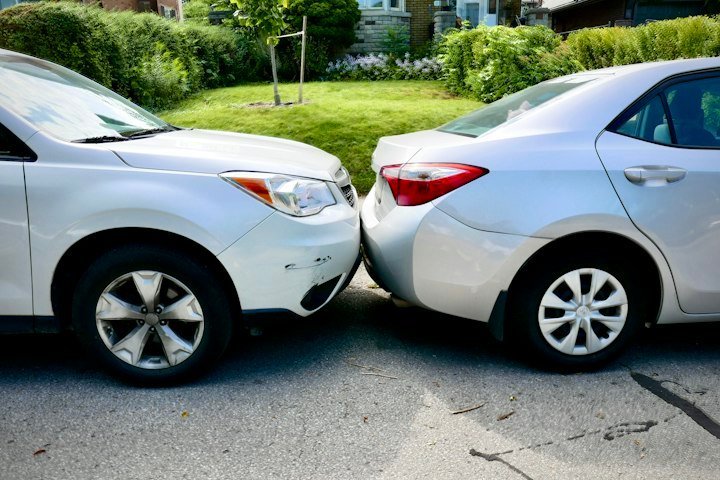
Deductibles in four points
- A deductible is what you pay out of pocket on a claim before your policy pays.
- It applies to collision and comprehensive coverage, not to liability coverage.
- A higher deductible usually means a lower premium.
- Only choose a deductible you could pay tomorrow, because it applies each time you file a claim.
In this article
How a deductible works
- $0Deductible on the liability part of your policy
- $500 deductible on a $10,000 lossYour claim check is $9,500
- 15% to 30%Possible savings from raising $200 to $500, per Triple-I
- 40% or morePossible savings at a $1,000 deductible, per Triple-I
From the NAIC consumer guide to auto insurance and Triple-I. Savings are Triple-I estimates, not guarantees.
What a deductible is
The NAIC defines a deductible as the amount you have to pay out of pocket on a claim before the policy pays the loss. If your vehicle has $10,000 of covered damage and your deductible is $500, Triple-I says the insurer pays you $9,500.
The deductible applies each time you file a claim. Two separate accidents in a year means paying it twice.
Which coverages have a deductible
Deductibles apply to the coverages that pay for damage to your own vehicle:
| Coverage | What it pays for | Deductible? |
|---|---|---|
| Collision | Damage to your vehicle from a crash with another vehicle or object | Yes |
| Comprehensive | Theft, fire, floods and storms, vandalism, falling objects, hitting an animal, a broken windshield | Yes |
| Liability | Injuries and damage you cause to others | No |
Triple-I says deductibles generally apply to property damage, not to the liability portion of an auto policy. You can often choose different deductibles for collision and comprehensive.
Higher deductible, lower premium
The NAIC puts it simply: higher deductibles mean lower premiums. Triple-I estimates that raising a deductible from $200 to $500 could cut your collision and comprehensive cost by 15% to 30%, and going to $1,000 can save 40% or more. Your own savings depend on your insurer, your vehicle and where you live, so ask for quotes at two or three deductible levels and compare.
If raising your deductible by $500 saves you $100 a year, it takes five claim-free years to come out ahead. If you rarely file claims, that trade can make sense. If money is tight, it may not.
How to pick your number
- Check your savings. The NAIC's advice is to make sure you can afford the deductible if you have a loss. Pick an amount you could pay without borrowing.
- Check your loan or lease. If you finance or lease, the NAIC notes your lender may require collision and comprehensive. Check your loan papers for any deductible rules.
- Think about your vehicle's value. Triple-I's rule of thumb: if your vehicle is worth less than 10 times the yearly premium for collision and comprehensive, that coverage may not be cost effective.
- Compare quotes side by side. Ask each insurer for the same coverage at $500 and $1,000 so you see the real difference.
Deductibles and claims you didn't cause
If another driver causes the crash, their liability coverage is meant to pay for the damage they cause, and there is no deductible on liability coverage. If you file with your own collision coverage instead, for example to get repairs started sooner, your deductible applies to that claim. Ask your insurer how it handles the deductible when someone else is at fault.
When to review your deductible
Look at your deductible when you buy a vehicle, pay off a loan, or your savings change. A choice that made sense with a new vehicle and an empty emergency fund may not fit five years later. Our guide to auto insurance discounts covers other ways to lower your bill.
Frequently asked questions
What is a good deductible for auto insurance?
One you could pay right away without borrowing. Higher deductibles lower your premium, but the NAIC advises making sure you can afford yours if you have a loss.
Does liability insurance have a deductible?
No. Deductibles generally apply to coverage for damage to your own vehicle, like collision and comprehensive, not to liability.
Do I pay my deductible if someone else hits me?
Liability coverage has no deductible, so if the at-fault driver's insurer pays, you generally don't. If you claim through your own collision coverage, your deductible applies. Ask your insurer how it handles this.
Do I pay the deductible every time I file a claim?
Yes. The deductible applies to each claim.
Compare auto insurance for your situation
Compare options available where you live, or call to talk it through with a licensed agent. Looking is free.
ConnectingCrowd is an information site and is not affiliated with any government agency.
Compare auto insurance quotes
SponsoredKeep reading



Other auto insurance guides
- Rideshare Auto Insurance: Coverage Gaps for Uber, Lyft
- Total Loss Auto Claims: What Happens When It's Totaled
- Usage-Based Auto Insurance: How Telematics Sets Your Rate
- Rental Vehicle Insurance: Do You Need the Counter's Coverage?
- Adding a Teen Driver to Auto Insurance: A Parent's Guide
- Non-Owner Auto Insurance: Who Needs It and What It Covers
- How to Switch Auto Insurance Without a Coverage Gap
- Gap Insurance: What It Covers and When You Need It
- Uninsured Motorist Coverage: How UM and UIM Protect You
Other topics:MedicarePersonal loansLife insuranceHome insuranceDebt reliefAll guides
See auto insurance options in your state
Rates and deductible choices vary by state and insurer. Enter your ZIP code to compare options. Looking is free.
Compare auto insurance for your situation
SponsoredSources
Disclaimer: Connecting Crowd is an independent information website. We do not represent any insurance company, lender, agency or government body. Everything on this site is for general information only. Details such as prices, limits and rules can change and may differ slightly from what is shown here, so please do your own research and verify any information with the official source or a qualified professional before making a decision. This page contains advertising, and we may be paid when you click a link or call a number.