
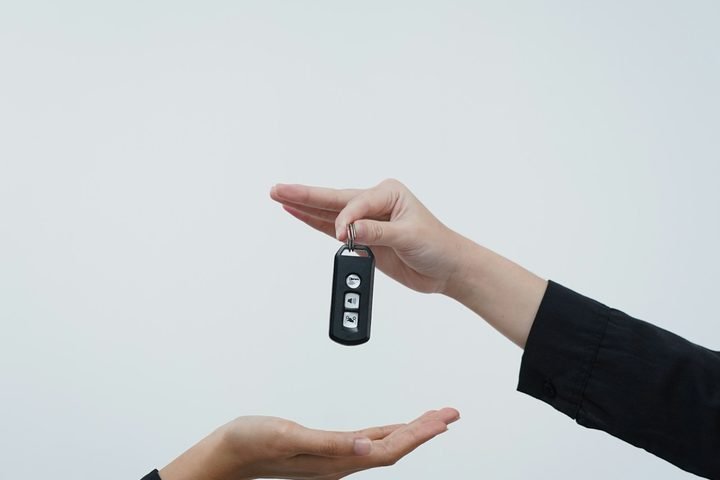
In 30 seconds
- Most policies cover you, your family and people driving your vehicle with your permission, according to the Texas Department of Insurance.
- In TDI's example, a friend who borrows your vehicle is usually covered if she has your permission, has a driver's license and doesn't regularly borrow it.
- A driver named as excluded on your policy generally isn't covered, even with your permission.
- When someone else crashes your vehicle, the claim goes on your policy, and the NAIC says an accident may increase your premium.
In this article
Lending your vehicle at a glance
- Usually covered: drivers with your permission and a license
- Watch out: people who borrow your vehicle regularly
- Not covered: drivers excluded by name on your policy
- Household: some insurers require all driving-age residents listed
- Your record: the borrower's crash is a claim on your policy
From the Texas Department of Insurance auto FAQ and auto guide, and the NAIC. Policies and state rules vary.
The short answer: often yes, with conditions
Your auto insurance usually reaches past you as the driver. The Texas Department of Insurance's consumer guide says most policies cover you, your family, and people driving your vehicle with your permission. Insurers often call this permissive use.
TDI's auto insurance FAQ gets more specific. Asked whether a policy covers a friend who borrows your vehicle and gets in an accident, TDI answers that your friend will usually be covered if she has your permission, has a driver's license, and doesn't regularly borrow your vehicle. It then adds a warning: you could have an exception on your policy that says it won't cover people named as excluded drivers.
That gives you three quick tests, plus one deal-breaker. Each is worth a closer look, because a no on any of them can change who pays after a crash. And since policies are written by individual insurers and regulated by each state, the exact wording in your own policy is what counts.
Four questions that decide coverage
| Question | Why it matters |
|---|---|
| Did you give permission? | Policies commonly cover people driving your vehicle with your permission. Someone who takes it without asking is a different situation. |
| Does the driver have a license? | TDI lists having a driver's license as one of the conditions for a friend to usually be covered. |
| Is this a one-time loan or regular use? | TDI's answer covers a friend who doesn't regularly borrow your vehicle. Regular drivers may need to be on the policy. |
| Is the driver excluded by name? | A named driver exclusion means the policy won't cover that person, even with your permission. |
Based on the Texas Department of Insurance auto insurance FAQ. Read your own policy, because terms vary by insurer and state.
Excluded drivers: the one that can leave you uninsured
Some households choose to exclude a specific person from their policy, often a family member with a poor driving record, to keep the premium down. TDI calls this a named driver exclusion and suggests asking your agent whether your policy has one.
If someone is excluded, TDI says the policy won't cover them. That holds even when you hand them the keys yourself. If an excluded driver causes a crash in your vehicle, you could be looking at a claim your insurer won't pay. TDI's guide also advises that you ask your agent or read your policy to learn who it covers and whether anyone is excluded.
Exclusions are often added years ago and then forgotten. Pull up your declarations page or policy documents, or call your agent, before you lend your vehicle to anyone in your household.
Household members and frequent drivers
The "permission" rule works best for the occasional borrower. People who live with you or drive your vehicle often are a different matter.
- ✓ Some insurers require everyone of driving age to be listed. TDI says some companies require you to put everyone who lives with you and is of driving age on your policy.
- ✓ New drivers should be reported. TDI says to tell your company when someone in your family starts to drive or turns 16.
- ✓ Not telling the insurer can cost you. If the company learns about a driver later, TDI says it will bill you for the extra premium owed, and it might deny claims or choose not to renew.
- ✓ A suspended license can affect your policy. TDI lists a suspended or revoked license for other drivers who live with you or use your vehicle among the reasons a company may cancel.
If a roommate, adult child or partner drives your vehicle most days, don't rely on permissive use. Ask your insurer whether they should be listed. It may raise your premium, but it's cheaper than a denied claim.
Who pays if the borrower crashes
When someone drives your vehicle with your permission and causes an accident, your policy is generally the first stop. The National Association of Insurance Commissioners (NAIC) says that if a family member borrows your vehicle and has an accident, your policy provides the same coverage for your relative as if you were driving. The NAIC also says the policy on a borrowed vehicle provides primary coverage, and if no coverage exists, the driver's own policy might provide coverage.
Here's how the pieces of your own policy usually come into play:
- ✓ Liability pays for injuries and damage the driver causes to others, up to your limits. In Texas, the legal minimum is $30,000 per person and $60,000 per accident for injuries and $25,000 for property damage, which TDI calls 30 / 60 / 25. Other states set their own minimums.
- ✓ Collision pays to repair or replace your vehicle after an accident, if you carry it. TDI notes you pay a deductible on collision claims.
- ✓ Above your limits, TDI warns that if you don't have enough liability coverage, you might have to pay the rest out of pocket, and the other driver could sue you.
How lending your vehicle can affect your premium
The borrower walks away from the crash. The claim stays with you. The NAIC says that when a family member borrows your vehicle and has an accident, the accident may increase your premium. TDI's guide adds that insurers charge more if you've had accidents, and that most companies check your claims history through the Comprehensive Loss Underwriting Exchange (CLUE) database.
Impaired driving raises the stakes. The NAIC says that if a family member has an accident while driving your vehicle intoxicated, the company might not renew your policy or might charge a higher premium. That's a strong reason to keep your keys away from anyone who has been drinking, no matter who's asking.
A weekend loan, step by step
Rosa lends her SUV to a coworker
Rosa's coworker Dev needs to move a dresser on Saturday and asks to borrow her SUV. Dev has a valid license and has never driven Rosa's vehicle before. Rosa checks her policy and confirms that no one is excluded by name.
Backing out of a parking space, Dev hits a parked sedan. Because Dev had Rosa's permission, had a license and was an occasional driver, Rosa's liability coverage pays to repair the sedan. Rosa also carries collision coverage, so her insurer pays to fix her bumper after she pays her deductible.
The claim is on Rosa's policy, not Dev's. At renewal, she learns it may count against her when her new premium is set. Dev offers to cover her deductible, which helps, but doesn't erase the claim.
Had Dev been someone Rosa had excluded by name, her insurer could have refused to pay, leaving Rosa and Dev to sort out the bills themselves.
Illustrative example. Names are made up. How a claim is paid depends on your policy and your state's rules.
Before you hand over the keys
- Check for named exclusions Make sure the person isn't excluded on your policy. TDI suggests asking your agent about a named driver exclusion endorsement.
- Confirm a valid license TDI lists a driver's license as one of the conditions for a friend to usually be covered.
- Think about how often If this will become a regular arrangement, ask your insurer whether the driver should be listed.
- Review your limits and deductible Your liability limits and collision deductible are what you'll rely on if the driver crashes.
- Ask about the trip TDI lists driving for business, ride-hailing or delivery, and driving in Mexico among common exclusions. Make sure the borrower isn't planning any of them.
Frequently asked questions
Does auto insurance cover someone else driving my car?
Often, yes. Most policies cover people driving your vehicle with your permission. TDI says a friend is usually covered if she has your permission, a driver's license and doesn't regularly borrow it.
What is permissive use?
It's the common policy feature that covers people you allow to drive your vehicle. Check your policy for limits, such as excluded drivers or rules on regular drivers.
Is an excluded driver covered if I give them permission?
Generally no. TDI says a policy with a named driver exclusion won't cover people named as excluded drivers on it.
Do I have to list everyone in my household on my policy?
It depends on the insurer. TDI says some companies require everyone who lives with you and is of driving age to be on the policy.
Will my rates go up if someone else crashes my vehicle?
They may. The NAIC says an accident by a family member borrowing your vehicle may increase your premium, because the claim is on your policy.
Whose insurance pays first when someone borrows my vehicle?
The NAIC says the policy on the borrowed vehicle provides primary coverage. The driver's own policy might help if no coverage exists.
What if the damage is more than my policy limits?
TDI warns you might have to pay the rest out of pocket, and the other driver could sue you. Consider whether your limits are high enough before lending.
Can I lend my vehicle to someone without a license?
TDI's example of a covered friend includes having a driver's license. Lending to an unlicensed driver risks a claim your policy may not pay, so check with your insurer first.
See what you could pay
Compare options available where you live, or call to talk it through with a licensed agent. Looking is free.
ConnectingCrowd is an information site and is not affiliated with any government agency.
Compare auto insurance options
SponsoredRelated guides
See all auto insurance guides Does auto insurance follow the car or the driver? What happens when you lend or borrow
 Liability auto insurance: the coverage that protects everything you own
 Your teen is about to drive: how to insure them without overpaying
 Staged auto accident scams: how the schemes work and how to protect yourself
 Classic car auto insurance: how agreed value works and what insurers require
 Can't get auto insurance? How assigned risk plans and other options work
See auto insurance options near you
Rates and available coverages vary by state and insurer. Add your ZIP code to compare. It is free and you are not committing to anything.
Find auto insurance that fits your loan or lease
SponsoredSources
Disclaimer: This article is for general information only and is based on publicly available sources, which may be incomplete, outdated or incorrect. It is not legal, financial, insurance, tax or medical advice. ConnectingCrowd is not affiliated with any government agency, insurer or lender. Please do your own research and talk to a licensed professional before making any decision.