

In 30 seconds
- The Connecticut Insurance Department says homeowners policies will normally cover sudden and accidental roof collapse.
- Damage caused by age or pre-existing damage could be denied.
- Oregon's regulator says a typical policy covers damage from the weight of ice and snow.
- Ice dam damage is generally covered, but many policies don't pay to remove the ice dam itself.
- Maintenance-related damage is generally not covered, so keeping your roof, gutters and attic in shape protects your claim too.
In this article
Winter roof claims at a glance
- Sudden roof collapse: normally covered
- Damage from age or wear: could be denied
- Weight of ice and snow: typically covered
- Ice dam damage: generally covered; removal often not
- Injuries to you while shoveling: not covered by homeowners
Sources: Connecticut Insurance Department; Oregon Division of Financial Regulation.
Is snow roof damage covered?
In most cases, yes, if the damage is sudden. The Connecticut Insurance Department says homeowners policies will normally cover sudden and accidental roof collapses. Oregon's Division of Financial Regulation says a typical homeowners policy covers damage from the weight of ice and snow. Connecticut's winter weather guidance adds that roof damage from snow or ice may be covered, but limits, exclusions and deductibles vary by policy.
| What happened | Usually covered? |
|---|---|
| Roof caved in under heavy snow | Normally, if sudden and accidental |
| Water leaked in from an ice dam | Generally, yes |
| Removing the ice dam itself | Often not |
| Old roof failed from wear and age | Could be denied |
| You were hurt shoveling your own roof or driveway | Not under your homeowners policy |
Sources: Connecticut Insurance Department, Winter damage tips and Winter weather. Your policy controls.
When a winter roof claim can be denied
The big dividing line is sudden damage versus slow damage. Connecticut's regulator says damage caused by age or pre-existing damage could be denied, and its winter guidance says maintenance-related damage is generally not covered. If an adjuster finds the roof was already rotting, missing shingles or sagging before the storm, your claim may be cut or denied.
That's why your own records matter. Photos of your roof in good shape and receipts for repairs or inspections can help show the damage came from the storm, not years of wear.
Snap a few pictures of your roof, attic and ceilings before winter. If you ever file a claim, you can show what they looked like before the storm.
Ice dams: covered damage, uncovered removal
Ice dams form when snow on a roof melts and refreezes at the edge. The Nebraska Department of Insurance says they occur when heavy snow melts and then refreezes due to improper attic insulation. The ridge of ice traps water, which can back up under shingles and leak into walls and ceilings.
Connecticut's regulator says interior or exterior damage caused by an ice dam is generally covered, but many policies don't pay for ice dam removal. Our ice dam insurance guide covers this in detail.
Other winter losses and how they're treated
- ✓ Frozen pipes: Connecticut says most policies cover pipe replacement and water damage, but coverage may not apply if you turned off the heat without winterizing the home.
- ✓ Power outages: most policies won't pay for you to stay elsewhere during a long outage unless the home itself is damaged.
- ✓ Snow removal injuries: homeowners insurance doesn't cover injuries to the homeowner during snow removal.
- ✓ Renters: the landlord's policy covers the building, and the renter's policy covers the renter's belongings.
See our guide to frozen pipes and insurance for more on winter water damage.
How to protect your roof this winter
The Nebraska Department of Insurance says heavy snow and ice can cause unseen structural damage and even the collapse of your roof. Its prevention advice:
- Insulate and ventilate your attic This helps keep the roof cold and prevents the melt-and-refreeze cycle that causes ice dams.
- Prune trees and clear gutters Overhanging limbs can break under ice, and clogged gutters help ice build up.
- Don't climb onto a snowy roof Use a professional. Your homeowners policy won't cover your own injuries from snow removal.
- Keep heat on when you travel Leaving the heat off without winterizing can affect a frozen pipe claim.
How your deductible and limits apply
Even when snow damage is covered, you pay your deductible first. Connecticut's winter guidance reminds homeowners that coverage limits, exclusions and deductibles vary by policy. Some policies have a separate or higher deductible for certain storms, so read your declarations page before winter rather than after a claim.
If your roof is older, check how your policy pays for it. Some policies pay the depreciated value of an older roof rather than the full cost to replace it. Our guide to replacement cost vs actual cash value explains how that affects your check.
Find your deductible, your dwelling limit and whether your roof is paid at replacement cost or actual cash value. Write them down where you can find them.
What to do if your roof is damaged
- Get everyone out if the roof is sagging A sagging roof can give way. Leave and call for help.
- Call your insurer promptly Report the damage and ask about additional living expenses if you can't stay home.
- Document everything Photograph the roof, ceilings, attic and any water damage.
- Prevent more damage Tarp or cover openings if it's safe, and keep receipts.
- Get repair estimates Ask the adjuster what's covered before you sign a contract.
After a big storm, watch for contractors who go door to door asking for large upfront payments. Our guide on avoiding contractor fraud explains the warning signs.
The bottom line
Sudden roof damage or collapse from the weight of snow and ice is normally covered by homeowners insurance. Damage from age, wear or poor upkeep often isn't. Keep your attic insulated, gutters clear and roof maintained, take before photos, and report any damage promptly. A little upkeep in the fall is the cheapest protection you can buy, and it makes any claim you do file far easier to prove.
Frequently asked questions
Does insurance pay to remove snow from my roof?
Usually not as routine upkeep. Coverage focuses on sudden damage, and Connecticut says many policies don't pay for ice dam removal.
Do I pay a deductible on a snow damage claim?
Yes. Your deductible applies first, and limits, exclusions and deductibles vary by policy, per the Connecticut Insurance Department.
Does homeowners insurance cover roof collapse from snow?
Normally, yes. The Connecticut Insurance Department says policies normally cover sudden and accidental roof collapse.
Why would a snow roof claim be denied?
Damage caused by age, wear or pre-existing problems could be denied, and maintenance-related damage is generally not covered.
Does homeowners insurance cover ice dams?
Damage caused by an ice dam is generally covered, but many policies don't pay to remove the ice dam, per Connecticut's regulator.
Does insurance cover injuries from shoveling snow?
Not your own injuries. Connecticut says homeowners insurance doesn't cover injuries to the homeowner during snow removal.
How can I prevent snow damage to my roof?
Nebraska's insurance department recommends insulating and ventilating the attic, pruning trees and clearing gutters.
Review your home insurance coverage
Compare options available where you live, or call to talk it through with a licensed agent. Looking is free.
ConnectingCrowd is an information site and is not affiliated with any government agency.
Compare home insurance options
SponsoredRelated guides
See all home insurance guides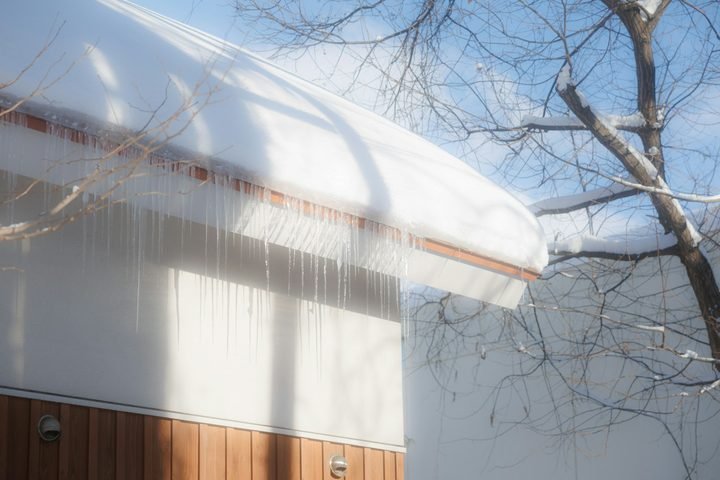 Ice dams and homeowners insurance: is the water damage covered?
 Does homeowners insurance cover roof damage? It depends on why, and how old the roof is
 Frozen pipes: when homeowners insurance pays for burst-pipe damage, and when it doesn't
 Does homeowners insurance cover stolen packages? What to do when a porch pirate strikes
 Space heater fires and home insurance: what's covered, and the safety rules that prevent them
 Does homeowners insurance cover dog bites? What's covered, and when breed matters
See home insurance options in your state
Coverage and prices vary by state and insurer. Enter your ZIP code to compare options. Looking is free.
Compare home insurance for your situation
SponsoredSources
Disclaimer: This article is for general information only and is based on publicly available sources, which may be incomplete, outdated or incorrect. It is not legal, financial, insurance, tax or medical advice. ConnectingCrowd is not affiliated with any government agency, insurer or lender. Please do your own research and talk to a licensed professional before making any decision.