
In 30 seconds
- Policies often cover water damage when frozen pipes burst, because it's a sudden and accidental discharge.
- If your insurer finds you neglected your plumbing, like not keeping the heat on, the damage may not be covered.
- Flood insurance doesn't pay for burst-pipe damage, the Texas Department of Insurance says.
- If your pipes freeze, shut off the water at the main valve.
In this article
Before a hard freeze
- Keep the heat on
- Open cabinets under sinks
- Let faucets drip
- Disconnect garden hoses
Tips from the NAIC (citing IBHS) and the Texas Department of Insurance.
When burst-pipe damage is usually covered
Homeowners policies cover a sudden and accidental discharge of water from a plumbing system. The NAIC says policies often cover the resulting water damage when frozen pipes burst, as long as you took reasonable steps to keep them from freezing.
| Situation | Likely outcome |
|---|---|
| Pipe freezes and bursts during a cold snap; heat was on | Water damage often covered, minus your deductible |
| Pipes burst after you turned the heat off or left it too low | May not be covered if the insurer finds neglect |
| Home left empty and water not shut off | Policies generally require shutting off the water when a home is vacant |
| Water from a burst pipe, and you only have flood insurance | Flood insurance doesn't pay for burst pipes |
Sources: NAIC and Texas Department of Insurance. Your policy wording decides; read it or ask your agent.
When it may not be covered
Insurers expect you to maintain your home. If your insurer finds you neglected your plumbing system, for example by not keeping the home at a reasonable temperature, the NAIC says the damage may not be covered. The Texas Department of Insurance gives the same warning: home and renters policies might not pay for frozen-pipe damage if you didn't take steps to protect your pipes, such as keeping the heater on.
Before you leave, turn off the water at the shutoff valve and leave the heat on, the Texas Department of Insurance advises.
How to keep pipes from freezing
- ✓ Disconnect garden hoses and winterize outdoor faucets and sprinkler systems.
- ✓ Let a slight drip run from faucets, cold and hot, on the coldest nights.
- ✓ Open cabinet doors under sinks so warm air reaches the pipes.
- ✓ Insulate pipes in attics, crawl spaces, garages and outside walls.
- ✓ Seal cracks and gaps on the outside of your home, and weatherstrip doors and windows.
- ✓ Cover vented crawl spaces in winter and keep your heating system maintained.
If your city limits water use during a freeze, follow its instructions on dripping faucets.
If a pipe freezes or bursts
- Shut off the water. Turn off the water at the main shutoff valve. This keeps a broken pipe from flooding the house once it thaws. Learn where your valve is before winter.
- Limit the damage. Move belongings out of the water and start drying the area if it's safe.
- Document everything. Take photos and video of the damage and keep receipts for emergency repairs.
- Call your insurer. Report the claim promptly and ask what the policy covers, including temporary repairs.
A worked example
The Johnsons' kitchen ceiling
During a January cold snap, a pipe in the Johnsons' unheated garage wall freezes and splits. When it thaws, water soaks the ceiling below. Their heat was on, and the damage is sudden.
Their insurer covers the water damage after their $1,000 deductible. Their friends down the street had turned the heat off while away for two weeks and didn't shut off the water. Their claim is harder, because the insurer questions whether they took reasonable steps.
Illustrative example. Names and numbers are made up to show how it works.
Frequently asked questions
Does homeowners insurance cover frozen pipes?
It often covers the water damage when frozen pipes burst, because that's sudden and accidental. Coverage depends on whether you took reasonable steps to keep the pipes from freezing.
Does homeowners insurance cover the pipe itself?
Policies vary. Ask your insurer how your policy treats repair of the pipe compared with the resulting water damage.
Will insurance pay if I left the heat off?
Maybe not. If the insurer finds you neglected your plumbing, such as not keeping the heat on, the damage may not be covered.
Does flood insurance cover burst pipes?
No. The Texas Department of Insurance says flood insurance doesn't pay for damage caused by burst pipes.
What should I do first if a pipe bursts?
Shut off the water at the main valve, limit the damage, take photos and call your insurer.
Review your home insurance coverage
Compare options available where you live, or call to talk it through with a licensed agent. Looking is free.
ConnectingCrowd is an information site and is not affiliated with any government agency.
Compare home insurance options
SponsoredRelated guides
See all home insurance guides Does homeowners insurance cover water damage? It depends on how the water got in
 How to file a home insurance claim, from the first photo to the final check
 Homeowners insurance deductibles: flat, percentage and the one hiding in your hurricane coverage
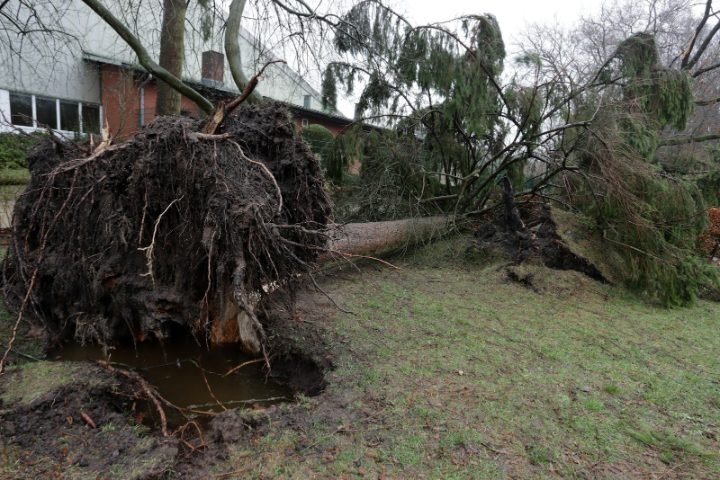 A tree fell on your property: what homeowners insurance usually pays for
 The California FAIR Plan: coverage when regular insurers say no
 Running a business from home? What your homeowners policy may not cover
See home insurance options in your state
Coverage and prices vary by state and insurer. Enter your ZIP code to compare options. Looking is free.
Compare home insurance for your situation
SponsoredSources
Disclaimer: This article is for general information only and is based on publicly available sources, which may be incomplete, outdated or incorrect. It is not legal, financial, insurance, tax or medical advice. ConnectingCrowd is not affiliated with any government agency, insurer or lender. Please do your own research and talk to a licensed professional before making any decision.