
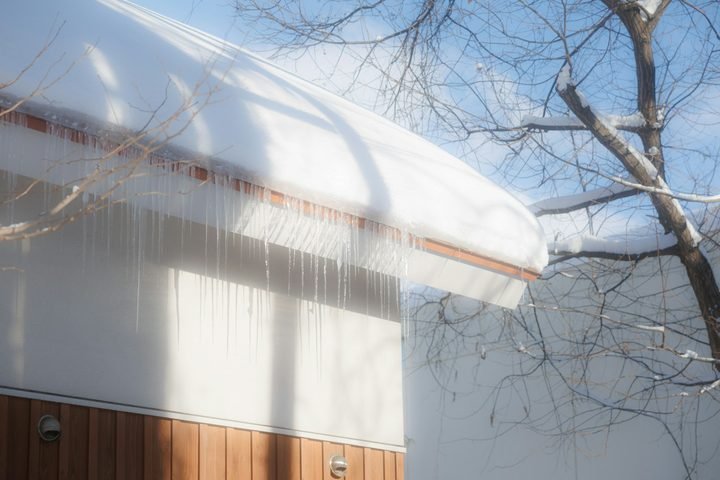
In 30 seconds
- An ice dam forms when snow melts and refreezes at the roof edge, and water backs up under the shingles, causing interior water damage.
- The Delaware Department of Insurance says standard homeowners policies cover winter-related disasters such as burst pipes and ice dams.
- Flood damage is usually excluded from standard homeowners policies.
- After damage: report it quickly, take photos, stop further damage, and don't make permanent repairs before the insurer inspects.
In this article
If water comes through the ceiling
- Report the damage to your insurer right away
- Photograph everything
- Take reasonable steps to stop more damage
- No permanent repairs until the insurer inspects
- Keep a log of every call
Based on Connecticut Insurance Department advice.
What an ice dam is, and why it leaks
The NAIC explains that ice dams happen when heavy snow melts and then refreezes, often because of poor attic insulation. Warm air from the attic melts snow on the upper roof. The water runs down to the colder edge, refreezes and builds a ridge of ice. More meltwater pools behind it, works its way under the shingles and leaks inside.
The Delaware Department of Insurance describes the result as water that can't drain properly through the gutters and instead seeps into the house. The NAIC adds that ice dams can cause interior water damage even after the storm has passed.
Warning signs to watch for
Ice dam damage often starts out of sight, in the attic or behind a wall, so it helps to look for clues after every big snow and thaw:
- ✓ A thick ridge of ice building up along the roof edge or in the gutters.
- ✓ Water stains, peeling paint or bubbling on ceilings and upper walls, especially near exterior walls.
- ✓ Damp or compressed insulation, or frost, when you look in the attic.
- ✓ Water dripping inside window frames or around door trim on upper floors.
- ✓ Gutters pulling away from the house under the weight of ice.
Catching a leak early limits the damage, and it also helps your claim, since insurers expect you to act to prevent further damage once you know about a problem.
Does homeowners insurance cover ice dam damage?
Generally, yes. The Delaware Department of Insurance says standard homeowners policies cover winter-related disasters such as burst pipes and ice dams, as well as wind damage caused by the weight of ice or snow. The NAIC says your homeowners or renters policy can protect you against common winter damage, and recommends checking your policy before the first winter storm.
| Type of damage | Typically covered? | Notes |
|---|---|---|
| Water stains, ruined drywall and insulation from an ice dam leak | Usually yes | Delaware's regulator lists ice dams among winter disasters standard policies cover. |
| Damage from the weight of ice or snow | Usually yes | Per the Delaware Department of Insurance. |
| Removing the ice dam itself | Varies | Ask your insurer; policies differ. |
| Flooding (rising water from outside) | Usually no | Flood is usually excluded from standard homeowners policies. |
| Damage from long-term neglect | Possibly not | Insurers expect you to maintain the home and fix known problems. |
Sources: Delaware Department of Insurance; NAIC. Your policy wording controls.
The Connecticut Insurance Department says to review your coverage and understand what is covered and what is not. Look for your deductible, any water damage limits, and the duties you have after a loss.
How to prevent ice dams before the next storm
Prevention is cheaper than a claim, and it also protects you if an insurer questions maintenance. Regulators recommend:
- ✓ Clear leaves and debris from gutters and downspouts so meltwater can drain freely (NAIC, Connecticut, Delaware).
- ✓ Check attic insulation and ventilation, including roof and soffit vents (NAIC).
- ✓ Insulate and seal attic openings, such as vents, and move heat sources away from open attic areas right under the roof (Connecticut).
- ✓ Consider heating cables on eaves, gutters and downspouts (Connecticut).
- ✓ Consider gutter guards, screens that keep debris out and direct water away from the house (Delaware).
- ✓ Have the roof and attic inspected every year (Delaware).
The NAIC also warns that heavy snow and ice can cause unseen structural damage and even make a roof collapse, so don't ignore sagging or new cracks.
A real-life scenario
The Johnsons' ceiling stain
After a week of snow and a quick thaw, the Johnsons notice a wet, sagging spot on their bedroom ceiling. Outside, thick icicles hang from a ridge of ice along the roof edge.
They put a bucket under the drip, move the furniture, and photograph the ceiling, the wet carpet and the ice on the roof. Then they call their insurer to report the damage.
A roofer clears a channel in the ice to stop the leak, a temporary step to prevent more damage. The Johnsons keep the receipt and wait for the adjuster before replacing the drywall.
Their claim covers the ceiling, insulation and carpet, minus their deductible. Afterward, they add attic insulation to help prevent a repeat.
Illustrative example. Names and numbers are made up to show how it works.
What to do if an ice dam leaks
- Report it quickly. The Connecticut Insurance Department says to reach out to your insurer as soon as possible.
- Document the damage. Take clear photos and video of the ceiling, walls, floors, belongings and the ice on the roof.
- Stop more damage. Take reasonable steps to prevent further damage, like catching drips and moving belongings. Keep receipts.
- Wait on permanent repairs. Connecticut's regulator says not to make permanent repairs until your insurer has inspected the property.
- Keep a record. Log every conversation with your insurer, including dates and names.
If you can't reach your insurer or you have a claims dispute, contact your state insurance department. Our guides to filing a home insurance claim and roof damage coverage cover the next steps.
Be careful on the roof
Climbing on an icy roof is dangerous. Hacking at an ice dam with a hammer or shovel can also damage shingles and gutters. For anything beyond clearing a gutter you can reach safely from the ground, consider hiring a licensed, insured professional, and watch for storm-chasing contractors who knock on doors after bad weather.
Ice dams often arrive with frozen pipes. See our guide to frozen pipes and home insurance.
Frequently asked questions
Does homeowners insurance cover ice dams?
Generally, yes. The Delaware Department of Insurance says standard homeowners policies cover winter-related disasters such as burst pipes and ice dams. Check your policy for your deductible and any limits.
Does insurance pay to remove an ice dam?
It varies by policy. The resulting water damage is usually the covered part. Ask your insurer before hiring someone, and keep receipts for emergency steps you take.
What causes ice dams?
The NAIC says ice dams form when heavy snow melts and refreezes, often due to improper attic insulation, letting water work its way under the shingles.
How do I prevent ice dams?
Keep gutters clear, improve attic insulation and ventilation, seal attic openings, and consider heating cables or gutter guards.
Should I repair the ceiling before the adjuster comes?
Take steps to prevent further damage, but the Connecticut Insurance Department says not to make permanent repairs until your insurer has inspected.
Review your home insurance coverage
Compare options available where you live, or call to talk it through with a licensed agent. Looking is free.
ConnectingCrowd is an information site and is not affiliated with any government agency.
Compare home insurance options
SponsoredRelated guides
See all home insurance guides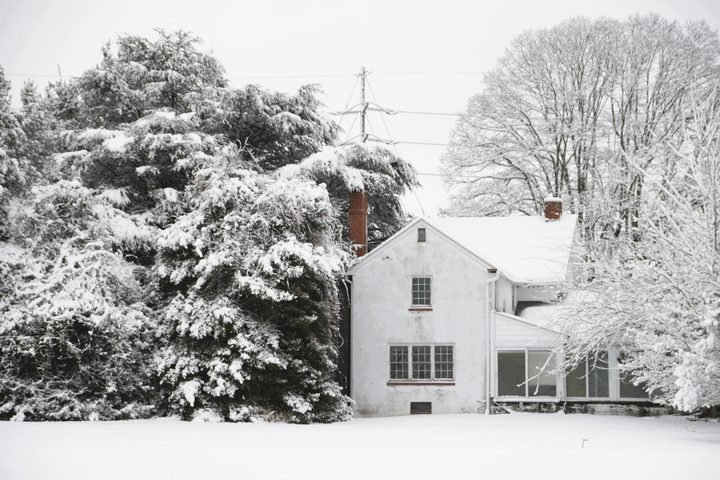 Frozen pipes: when homeowners insurance pays for burst-pipe damage, and when it doesn't
 Does homeowners insurance cover roof damage? It depends on why, and how old the roof is
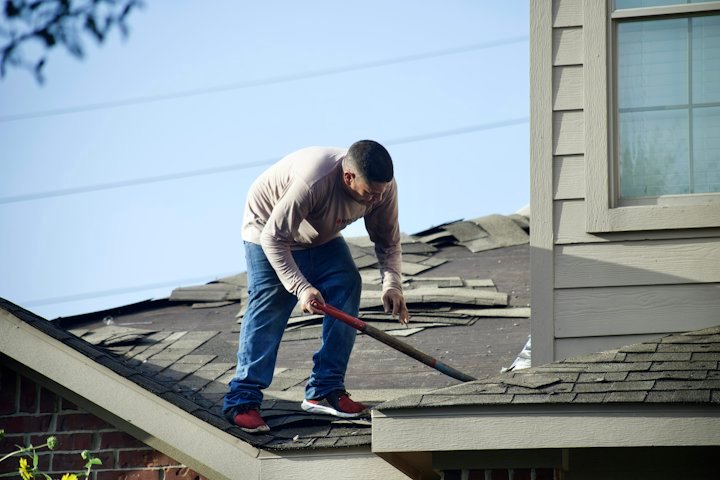 How to file a home insurance claim, from the first photo to the final check
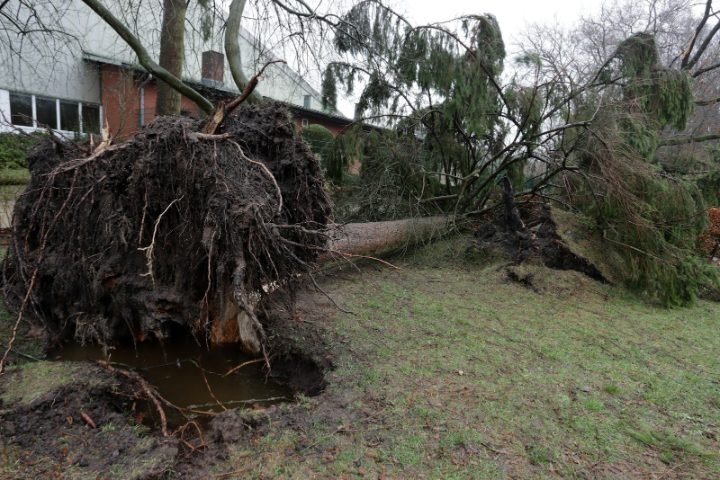 A tree fell on your property: what homeowners insurance usually pays for
 The California FAIR Plan: coverage when regular insurers say no
 Running a business from home? What your homeowners policy may not cover
See home insurance options in your state
Coverage and prices vary by state and insurer. Enter your ZIP code to compare options. Looking is free.
Compare home insurance for your situation
SponsoredSources
Disclaimer: This article is for general information only and is based on publicly available sources, which may be incomplete, outdated or incorrect. It is not legal, financial, insurance, tax or medical advice. ConnectingCrowd is not affiliated with any government agency, insurer or lender. Please do your own research and talk to a licensed professional before making any decision.