
In 30 seconds
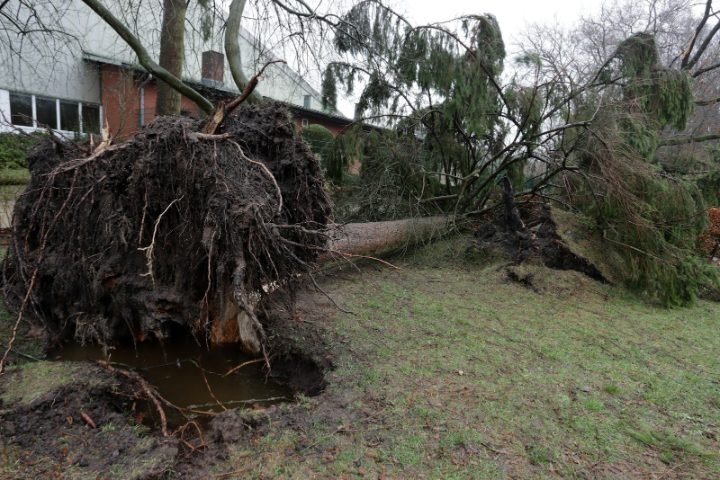
- Many homeowners policies pay for damage from falling objects such as trees.
- If a neighbor's tree falls on your house, you usually file with your own homeowners insurer and pay your deductible.
- A tree that falls on your vehicle is covered by your auto policy if you have comprehensive coverage.
- Removing a tree that fell in your yard without hitting anything usually isn't covered.
In this article
Who usually pays
- Tree hits your house or garage: your homeowners policy
- Tree hits your vehicle: your comprehensive auto coverage
- Neighbor's tree hits your house: usually your own policy
- Tree falls in the yard, hits nothing: usually you
Based on Texas Department of Insurance and Washington State Office of the Insurance Commissioner guidance. Your policy terms decide.
Common situations and who pays
| What happened | Usually covered by | Notes |
|---|---|---|
| Tree falls on your house | Your homeowners policy | Many policies pay for damage from falling objects, like trees. |
| Neighbor's tree falls on your house | Your homeowners policy | Their policy usually won't pay unless the neighbor was at fault. You pay your deductible. |
| Tree falls on your vehicle | Your auto policy | Only if you have comprehensive coverage. |
| Tree falls on a carport and vehicle | Homeowners and auto policies | Washington notes each claim has its own deductible. |
| Tree falls in the yard, damages nothing | Usually not covered | Cleanup is usually your cost. |
Sources: Texas Department of Insurance and Washington State Office of the Insurance Commissioner.
Tree removal and cleanup
The Washington insurance commissioner says homeowners insurance usually doesn't cover tree removal and cleanup unless the tree fell on your home, garage, vehicle or another covered structure. The Texas Department of Insurance adds that many policies provide some coverage to remove trees or limbs that fell because of storm damage, while trees and limbs that fall in your yard usually aren't covered.
Policies often set a dollar limit for debris or tree removal. Look in your policy or ask your agent what yours is before you hire a crew.
The neighbor's tree question
It surprises many people: if your neighbor's healthy tree blows over in a storm, their insurance probably won't pay. The Texas Department of Insurance explains that a neighbor generally isn't responsible for an act of nature, so you file with your own policy. The exception is when the neighbor was at fault, for example if they ignored a tree that was clearly dead or dangerous. Washington's commissioner notes that recovering costs from a neighbor's insurer can be hard to prove.
A storm, two yards and one claim
A windstorm knocked the Nguyens' neighbor's oak onto their garage roof. They called the neighbor's insurer first, which said the tree was healthy and the neighbor wasn't at fault.
The Nguyens filed with their own homeowners insurer, which paid for the roof repair and the removal of the part of the tree on the garage, minus their deductible.
Illustrative example. Names and numbers are made up to show how it works.
What to do after a tree falls
- Stay safe. Keep away from downed power lines and call the utility if lines are involved.
- Document everything. Washington's commissioner says to take photos or video of the damage before cleanup.
- Call your insurer or agent quickly. Ask what is covered and whether an adjuster will inspect.
- Make only temporary repairs. Cover holes to prevent more damage, but hold off on permanent repairs until the insurer has inspected.
- Keep receipts. Texas says your homeowners policy should cover the materials and labor used for repairs, so save every receipt.
Frequently asked questions
Does homeowners insurance cover a tree that fell on my house?
Often, yes. The Texas Department of Insurance says many policies pay for damage from falling objects, like trees. Check your policy and call your insurer.
My neighbor's tree fell on my house. Whose insurance pays?
Usually your own. The neighbor's policy probably won't pay unless the neighbor was at fault, for example by ignoring a dead tree.
Will insurance pay to remove a fallen tree?
Usually only if the tree damaged a covered structure, such as your house, garage or vehicle. Trees that fall in the yard without hitting anything usually aren't covered.
Does auto insurance cover a tree falling on my vehicle?
Yes, if you have comprehensive coverage.
Check your homeowners coverage
Compare options available where you live, or call to talk it through with a licensed agent. Looking is free.
ConnectingCrowd is an information site and is not affiliated with any government agency.
Compare home insurance quotes
SponsoredKeep reading


Other home insurance topics
- How to Avoid Contractor Fraud After a Storm or Disaster
- Additional Living Expenses Coverage: If You Can't Live in Your Home
- California FAIR Plan: What It Covers and When You Need It
- Condo Insurance: What the HOA Master Policy Leaves to You
- Does Homeowners Insurance Cover Mold? When It Does and Doesn't
- Does Homeowners Insurance Cover Roof Damage? When It Pays
- Does Homeowners Insurance Cover Water Damage? Key Rules
- Earthquake Insurance: Coverage and How Deductibles Work
- Does Homeowners Insurance Cover a Home-Based Business?
- Home Insurance Claim Denied? Why It Happens and What to Do
- Home Inventory for Insurance: A Room-by-Room Guide
- Renting Out Your Home Short-Term? Check Your Insurance First
- Home Warranty vs Homeowners Insurance: What Each One Covers
- Hurricane Deductibles: How Percentage Deductibles Work
- Does Homeowners Insurance Cover Jewelry and Other Valuables?
- Public Adjusters: What They Do and What to Know Before You Hire One
- Sewer Backup Coverage: Why Home Insurance Often Excludes It
- Umbrella Insurance: Extra Liability Beyond Home and Auto
- What Does Renters Insurance Cover? Gaps Your Landlord Leaves
Other topics:MedicareAuto insurancePersonal loansLife insuranceDebt reliefAll guides
See home insurance options in your state
Coverage and prices vary by state and insurer. Enter your ZIP code to compare options. Looking is free.
Compare home insurance for your situation
SponsoredSources
Disclaimer: This article is for general information only and is based on publicly available sources, which may be incomplete, outdated or incorrect. It is not legal, financial, insurance, tax or medical advice. ConnectingCrowd is not affiliated with any government agency, insurer or lender. Please do your own research and talk to a licensed professional before making any decision.