
The quick rule
- Sudden and accidental water damage, like a burst pipe or an overflowing washer, is usually covered.
- Slow leaks and seepage that build up over time are usually treated as maintenance and not covered.
- Flood damage is not covered by standard homeowners, renters or condo policies. It needs a separate flood policy.
- Sewer and drain backup is excluded from standard policies, but most insurers sell an add-on (endorsement) for it.
In this article
Covered or not, at a glance
- Burst pipeUsually covered, if you kept the home heated
- Overflowing appliance or toiletUsually covered
- Slow leak under a sink for monthsUsually not covered
- Flood or storm surgeNot covered without flood insurance
Based on guidance from the Texas Department of Insurance, the NAIC and the Massachusetts Division of Insurance.
Water damage that is usually covered
Most homeowners policies cover water damage that is sudden and accidental. The Texas Department of Insurance lists examples like a burst pipe, a toilet overflow or a broken washing machine hose. The policy usually pays to repair the damaged parts of the house and your belongings, minus your deductible.
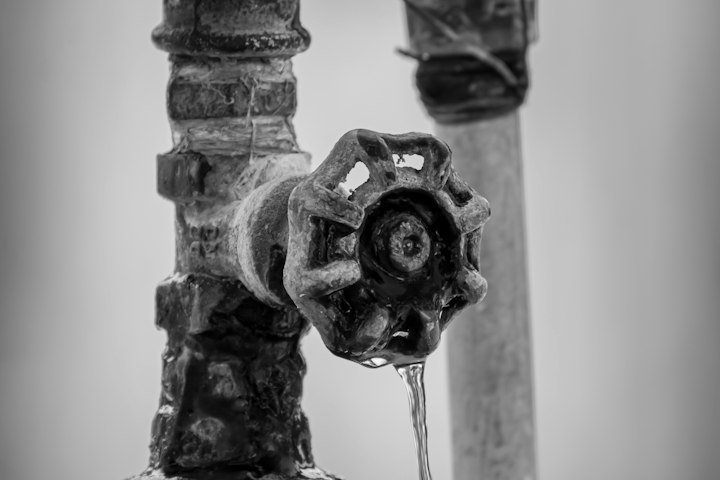
Frozen pipes that burst are usually covered too, as long as you took reasonable steps to prevent freezing. The NAIC notes that policies generally require you to keep the home at a minimum temperature, and if the home is vacant you may need to shut off the water.
Water damage that is usually not covered
| Source of water | Standard homeowners policy | Where coverage may come from |
|---|---|---|
| Slow leak or seepage over weeks or months | Usually not covered | Generally treated as maintenance |
| Groundwater or foundation seepage | Usually not covered | Usually none |
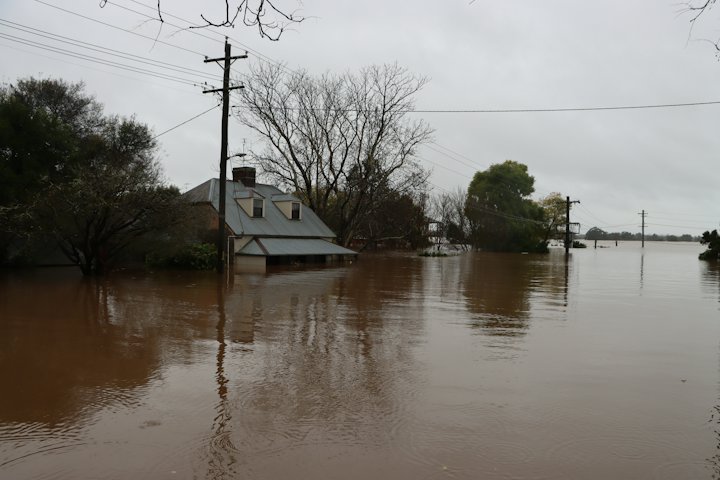
| Flood, including storm surge and overflowing rivers | Not covered | A flood insurance policy |
| Sewer or drain backup | Not covered | A sewer backup endorsement |
| Mold from a long-term leak | Usually not covered | Mold from a covered loss may be covered, often with limits |
Flood insurance: the separate policy many people skip
FEMA states that most homeowners insurance policies do not cover flood damage. Flood insurance is sold through the National Flood Insurance Program and by some private insurers. An NFIP policy typically has a 30-day waiting period before it takes effect, with some exceptions such as a policy bought with a new mortgage. Buying it when a storm is already in the forecast is usually too late.
The Massachusetts Division of Insurance notes that most insurers offer a sewer backup endorsement. Some still exclude backups caused by flooding, so ask how yours works.
What to do in the first 24 hours after a leak
- Stop the water. Shut off the main valve or the valve under the sink or behind the appliance.
- Document everything. Take photos and video before you move or throw anything out.
- Start drying right away. The Texas Department of Insurance warns mold can begin growing within a day. Pull up wet rugs and move wet items to a dry area.
- Make temporary repairs. Your policy expects you to prevent more damage. Keep receipts.
- Call your insurer quickly. Hidden water damage usually needs to be reported within days of when you first see it. Hold off on permanent repairs until the adjuster inspects.
Two leaks, two outcomes
On Monday, a washing machine hose splits and floods the laundry room. The homeowner shuts off the water, takes photos and calls the insurer the same day. That claim is a typical covered loss.
Next door, a slow drip under a bathroom sink rots the cabinet and subfloor over many months before anyone notices. The insurer is likely to treat that as wear and maintenance, and deny most of it.
Illustrative example to show how insurers often treat each situation. Your policy's wording decides.
Frequently asked questions
Does homeowners insurance cover a burst pipe?
Usually yes, for the resulting water damage, as long as you took reasonable steps to prevent it, such as keeping the home heated. The pipe repair itself may be treated differently, so check your policy.
Does homeowners insurance cover roof leaks?
Damage from a sudden event like a storm is often covered. Leaks from an old or poorly maintained roof usually are not, and the Washington insurance commissioner warns insurers may deny water damage if you delay repairs.
Is a water heater leak covered?
Sudden water damage from a water heater that bursts is often covered. A slow leak that built up over time usually is not. Replacing the worn-out heater itself is generally a maintenance cost.
Compare homeowners policies and add-ons
Compare options available where you live, or call to talk it through with a licensed agent. Looking is free.
ConnectingCrowd is an information site and is not affiliated with any government agency.
Compare home insurance with water backup options
SponsoredKeep reading

Check home insurance options for your area
Water, flood and sewer backup coverage varies by state and insurer. Enter your ZIP code to compare. It is free to look.
Compare homeowners policies and add-ons
SponsoredSources
- Texas Department of Insurance: When are water damage and mold covered?
- NAIC: Will my homeowners policy cover water damage from a burst pipe?
- Washington Insurance Commissioner: Leaks, water damage and mold
- Massachusetts Division of Insurance: Is my flood damage covered?
- FEMA FloodSmart: Flood insurance 101
Disclaimer: Connecting Crowd is an independent information website. We do not represent any insurance company, lender, agency or government body. Everything on this site is for general information only. Details such as prices, rates and rules can change and may differ slightly from what is shown here, so please do your own research and verify any information with the official source or a qualified professional before making a decision. This page contains advertising, and we may be paid when you click a link or call a number.