
In 30 seconds
- Most homeowners and renters policies cover sudden and accidental water damage, like a burst pipe or broken washer hose.
- Most don't cover damage from gradual leaks or seepage, including mold that results.
- Mold from a flood isn't covered because home policies don't cover floods.
- Most policies don't include mold cleanup and testing, but your insurer may let you add it.
In this article
Mold coverage in brief
- Sudden, accidental leak: usually covered
- Slow leak or seepage: usually not covered
- Flood: not covered by home policies
- Mold cleanup and testing: often excluded unless you add coverage
Based on Texas Department of Insurance guidance. Your policy wording decides.
Sudden vs gradual: the rule that decides most claims
| Cause of water | Usually covered? | Example |
|---|---|---|
| Sudden and accidental | Yes | Burst pipe, toilet overflow, broken washer hose |
| Gradual leak or seepage | No | Slow drip under a sink over months |
| Flood | No, needs flood insurance | Rising water from outside |
Source: Texas Department of Insurance.
The Texas Department of Insurance says that if mold develops on an item damaged in a covered loss, it would be covered. But most home policies don't include mold cleanup and testing after the damaged item is removed.
Adding mold cleanup coverage
The Texas Department of Insurance notes your insurer may let you add coverage for mold cleanup caused by a covered loss. Ask your agent what options exist and how much they cost. In Texas, you'll need an inspection showing the mold was removed and the cause was fixed, and the mold professional must be state licensed and provide a certificate that the mold was removed.
Many policies have a mold or fungi exclusion or a separate, lower limit. Look for it before you need it.
What to do after a leak
- Stop the water. Shut off the supply or fix the source as soon as you can.
- Dry the area fast. The EPA says to dry water-damaged areas and items within 24 to 48 hours to prevent mold growth. Texas warns mold can start growing within a day.
- Tell your insurer right away. Report the damage as soon as possible.
- Keep damaged items. Don't throw anything away until the adjuster has seen it.
- Hold off on permanent repairs. Wait until your insurance company has seen the damage.
Two leaks, two outcomes
When Ken's washing machine hose split, water soaked the laundry room floor. He dried it right away and filed a claim, which was covered as sudden and accidental damage.
A year later he found mold behind the bathroom vanity from a drip that had gone on for months. That claim was denied as a gradual leak.
Illustrative example. Names and numbers are made up to show how it works.
How to prevent mold
- ✓ Fix plumbing leaks as soon as you notice them
- ✓ Dry wet areas and items within 24 to 48 hours
- ✓ Pull up wet carpets and rugs and move wet belongings to a dry area
- ✓ Keep humidity down with ventilation
- ✓ For areas larger than about 10 square feet, the EPA suggests following its larger-scale cleanup guidance
The EPA's main message is simple: the key to mold control is moisture control. Cleaning mold without fixing the water problem means it will likely come back.
Frequently asked questions
Does homeowners insurance cover mold?
Sometimes. Mold on an item damaged by a covered, sudden and accidental water leak is usually covered. Mold from gradual leaks or floods usually isn't.
Is mold from a flood covered?
Not by a homeowners policy. The Texas Department of Insurance says home policies don't cover floods. Flood insurance is a separate policy.
Does insurance pay for mold testing and cleanup?
Most home policies don't, but your insurer may let you add cleanup coverage for mold caused by a covered loss.
How quickly can mold grow after a leak?
Texas says mold can start growing within a day. The EPA says to dry wet areas within 24 to 48 hours.
Check your homeowners coverage
Compare options available where you live, or call to talk it through with a licensed agent. Looking is free.
ConnectingCrowd is an information site and is not affiliated with any government agency.
Compare home insurance quotes
SponsoredRelated guides
See all home insurance guides Does homeowners insurance cover water damage? It depends on how the water got in
 Sewer backup coverage: the water damage your policy may skip
 Flood insurance: the coverage your homeowners policy leaves out
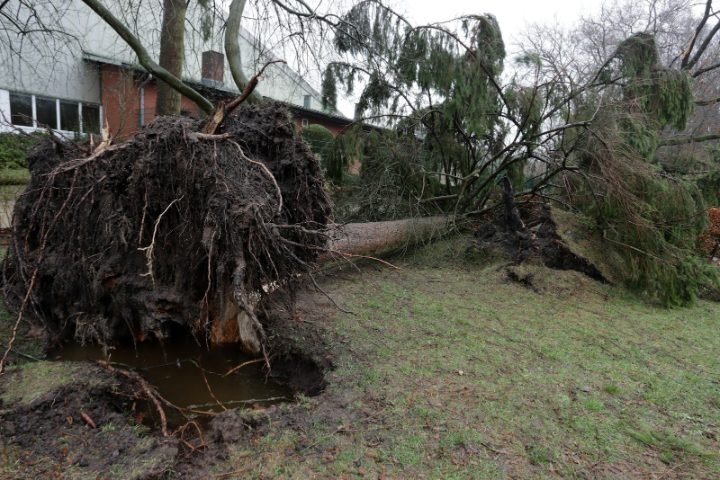 A tree fell on your property: what homeowners insurance usually pays for
 Frozen pipes: when homeowners insurance pays for burst-pipe damage, and when it doesn't
 The California FAIR Plan: coverage when regular insurers say no
See home insurance options in your state
Coverage and prices vary by state and insurer. Enter your ZIP code to compare options. Looking is free.
Compare home insurance for your situation
SponsoredSources
Disclaimer: This article is for general information only and is based on publicly available sources, which may be incomplete, outdated or incorrect. It is not legal, financial, insurance, tax or medical advice. ConnectingCrowd is not affiliated with any government agency, insurer or lender. Please do your own research and talk to a licensed professional before making any decision.