
In 30 seconds
- The NAIC says EVs may cost more to insure than gas-powered vehicles for several reasons.
- Higher vehicle values, specialized repairs, battery costs and parts availability all play a role.
- In many cases, replacing an EV battery is cheaper than repairing it, and serious battery damage can lead to a total loss.
- Costs vary by model, driver, coverage, state and insurer, so compare quotes before you buy.
In this article
EV insurance cost factors
- Higher vehicle values
- Specialized repair needs
- Battery repair or replacement costs
- Parts availability
- Repair market: still developing in some areas
From NAIC, Electric vehicle insurance rates (updated July 24, 2026).
Why EVs can cost more to insure
Auto insurance premiums reflect how much it's likely to cost to repair or replace a vehicle, along with the risk of injuries and liability. The NAIC says EVs may cost more to insure than internal combustion engine vehicles for various reasons, including:
- ✓ Higher vehicle values. Many EVs cost more to buy, which raises the cost of collision and comprehensive coverage.
- ✓ Specialized repair needs. EVs may need technicians and equipment trained for high-voltage systems.
- ✓ Battery repair or replacement costs. The battery is one of the most expensive parts of an EV.
- ✓ Parts availability. The NAIC says the market for parts and specialized repair labor is still developing in some areas.
None of this means every EV will cost more. The NAIC notes that costs vary by model, driver, coverage, state and insurer.
The battery question
The battery is the heart of an electric vehicle, and it's a big factor in claims. The NAIC notes that in many cases, replacing an electric battery is cheaper than repairing one. When a battery is damaged in a crash, the cost of replacement can be high enough that the insurer decides the car is a total loss.
Before you buy a policy, ask the insurer how it handles battery damage and how it decides whether an EV is a total loss.
What claims data shows
Insurance industry data paints a mixed picture. The NAIC, citing the Highway Loss Data Institute, says EVs have had lower claim frequency than comparable vehicles, but some higher claim severity, meaning claims can cost more when they happen. It also notes that the gap in average total-loss payments between EVs and other vehicles narrowed significantly over time.
On fire risk, the NAIC says the fire risk of EVs is lower than that of gas-powered and hybrid vehicles. But when EV fires do happen, they can be more complex to handle and repair.
| Factor | What the NAIC reports |
|---|---|
| How often claims happen | Lower claim frequency for EVs (HLDI) |
| How much claims cost | Some higher claim severity (HLDI) |
| Fire risk | Lower than gas-powered and hybrid vehicles |
| Battery damage | Replacement often cheaper than repair; can lead to a total loss |
Source: NAIC, Electric vehicle insurance rates.
What coverage an EV needs
An EV needs the same basic coverage as any other vehicle: liability coverage that meets your state's requirements, plus collision and comprehensive if you want protection for the car itself. If you finance or lease, your lender or leasing company will usually require collision and comprehensive.
Because EVs can be expensive to repair, think carefully about your deductibles and whether you'd need gap coverage if the car is totaled while you owe more than it's worth. Also ask whether accessories like a home charger are covered, and under which policy.
- ✓ Liability to meet your state's minimums, or more.
- ✓ Collision and comprehensive to cover damage to the car.
- ✓ Gap coverage if you owe more than the car is worth.
- ✓ Ask about home chargers and which policy covers them.
An example
Andre shops before he buys
Andre is deciding between a compact EV and a similar gas-powered car. The monthly payments are close.
Before he signs, he gets auto insurance quotes for both. The EV quote is higher, mainly for collision and comprehensive.
He asks the insurer why. The agent explains that repair costs and parts for that model are a factor, and suggests a higher deductible and a usage-based program.
Andre adds the insurance difference to his total cost comparison and still chooses the EV, with a deductible he can afford.
Illustrative example. Names are made up. Your quotes depend on your model, location and record.
Ways to save on EV insurance
- Get quotes before you buy Insurance costs vary a lot by model. Compare before choosing a car.
- Shop several insurers The NAIC notes costs vary by insurer as well as by state and driver.
- Consider a higher deductible Pick one you could pay without hardship.
- Ask about usage-based programs The NAIC notes telematics programs are offered in some states.
- Look for discounts Bundling, safe driving and paying in full may help.
If you have questions about how EVs are rated in your state, your state insurance department can help.
Charging and home chargers
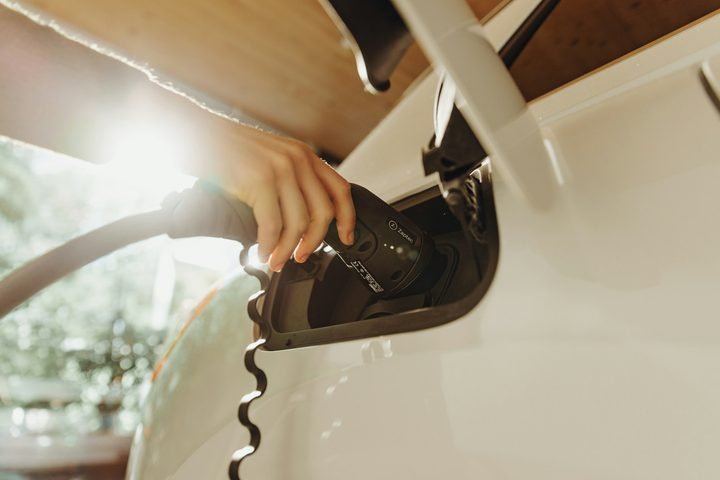
Many EV owners install a charger at home. Ask both your auto insurer and your home insurer how a home charger would be covered if it were damaged or stolen, and whether either policy covers damage caused by charging equipment. The answer may depend on how the charger is installed and which policy you're using.
When you charge in public, follow posted instructions and don't leave valuables in the car. If your vehicle is damaged at a charging station, document it and report it as you would any other claim.
New technology and your premium
EVs often come with advanced driver assistance and connected features. The NAIC notes that cybersecurity and automated-driving features may affect how insurers underwrite vehicles. Ask your insurer whether any of your car's safety features qualify for a discount, and how they're treated if they need repairs after a crash.
Frequently asked questions
Do I need to tell my insurer I have a home charger?
It's a good idea. Ask both your auto and home insurers how the charger would be covered if it's damaged or stolen.
Is auto insurance more expensive for electric cars?
It can be. The NAIC says EVs may cost more to insure because of higher values, specialized repairs, battery costs and parts availability.
Does auto insurance cover the EV battery?
Collision and comprehensive coverage generally cover damage to your vehicle, including the battery, from a covered event. Ask your insurer about exclusions for wear or degradation.
Why do EVs get totaled more easily?
The NAIC notes that replacing a damaged battery is often cheaper than repairing it, and the cost can be high enough to make the car a total loss.
Are electric cars more likely to catch fire?
No. The NAIC says the fire risk of EVs is lower than that of gas-powered and hybrid vehicles, though EV fires can be more complex to handle.
How can I lower my EV insurance cost?
Compare quotes before buying, shop several insurers, consider a higher deductible and ask about usage-based programs and discounts.
Do I need special insurance for an electric vehicle?
No special policy is required. EVs need the same coverage types as other cars, but ask about battery damage, home chargers and gap coverage.
See what you could pay
Compare options available where you live, or call to talk it through with a licensed agent. Looking is free.
ConnectingCrowd is an information site and is not affiliated with any government agency.
Compare auto insurance options
SponsoredRelated guides
See all auto insurance guides Comprehensive vs collision coverage: which one pays for what
 Gap insurance: the coverage that pays off a loan your vehicle no longer covers
 Vehicle totaled? How a total loss claim works, and how to push back on a low offer
 Staged auto accident scams: how the schemes work and how to protect yourself
 Classic car auto insurance: how agreed value works and what insurers require
 Catalytic converter theft: what auto insurance covers and how to protect your vehicle
See auto insurance options near you
Rates and available coverages vary by state and insurer. Add your ZIP code to compare. It is free and you are not committing to anything.
Find auto insurance that fits your loan or lease
SponsoredDisclaimer: This article is for general information only and is based on publicly available sources, which may be incomplete, outdated or incorrect. It is not legal, financial, insurance, tax or medical advice. ConnectingCrowd is not affiliated with any government agency, insurer or lender. Please do your own research and talk to a licensed professional before making any decision.