
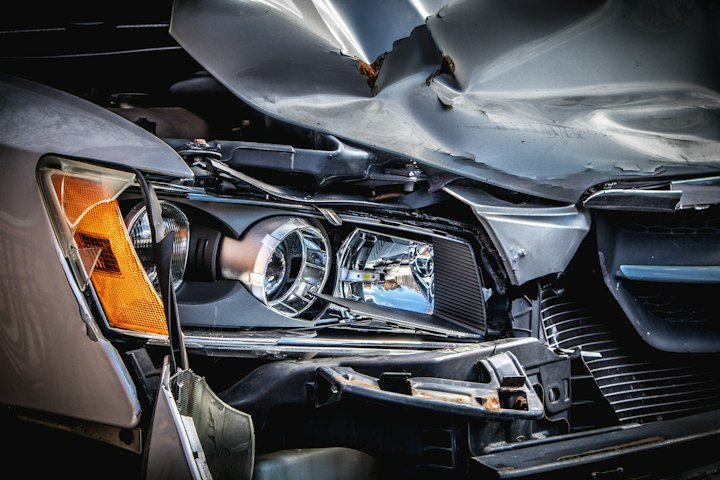
Total loss claims in four points
- A vehicle is totaled when repairs would cost more than its value, Triple-I says.
- The insurer pays the vehicle's value, not the cost of repairs. Your deductible applies.
- You can dispute the value with records like mileage, service history and mechanic estimates.
- Auto insurance doesn't pay off a loan beyond the vehicle's value. Gap insurance covers that difference.
In this article
Total loss basics
- TotaledRepair cost is more than the vehicle's value
- PaidThe vehicle's value, not repair costs
- DisputeCheck your policy for an appraisal clause
- Loan gapCovered only if you have gap insurance
From Triple-I and the NAIC.
When a vehicle is a total loss
Triple-I says a vehicle is totaled if the cost of repairs exceeds its value, and most standard auto policies won't pay to repair a totaled vehicle. Instead, your insurer declares a total loss and pays you the vehicle's value. Your collision or comprehensive deductible applies to the claim. Collision covers crashes, and comprehensive covers things like theft, fire and flood, so you need the right coverage for the cause of the loss.
How the value is set
An adjuster from your insurer reviews the damage and the vehicle's value. Triple-I notes that valuation guides, such as Kelley Blue Book and NADA Guides, can help you check your vehicle's current value. Your insurer's number is a starting point. The NAIC says you can ask the adjuster for a written explanation of how decisions were made.
How to dispute the offer
- Gather proof of value. Triple-I suggests mileage records, service history and statements from mechanics to show your vehicle was worth more than a typical one.
- Look up comparable vehicles. Check valuation guides and local listings for the same year, make, model and mileage.
- Don't rush. The NAIC says not to feel pushed to agree with something you aren't comfortable with.
- Check for an appraisal clause. The NAIC says if you disagree about value, your policy may have one. You can also contact your state insurance department.
If you owe more than it's worth
The NAIC says auto insurance doesn't pay off a loan when the vehicle's market value is less than what you owe. The NAIC says dealers and lenders may offer gap insurance to cover that difference. If you don't have it, you still owe the rest of the loan. See our gap insurance guide.
Until the claim settles and the lender is paid, keep making your loan payments to avoid late fees and credit damage.
Steps after a total loss
- Report the claim quickly and take photos of the damage.
- Remove personal items from the vehicle before it is towed to salvage.
- Ask about rental coverage. If you have rental reimbursement on your policy, ask how many days it covers.
- Gather your paperwork. Have your title or loan information ready in case your insurer asks for it.
- Review the settlement before you sign, and ask questions in writing.
Shopping for your next vehicle
Before you buy a replacement, get quotes so you know what coverage will cost. Our guides on filing an auto insurance claim and full coverage auto insurance can help.
Frequently asked questions
What does it mean when a vehicle is totaled?
Triple-I says a vehicle is totaled when the cost of repairs exceeds its value.
How much will insurance pay for a totaled vehicle?
The insurer pays what it determines the vehicle was worth, not the cost of repairs. Your deductible applies.
Can I dispute a total loss offer?
Yes. Gather mileage records, service history and mechanic statements, and check your policy for an appraisal clause.
What if I owe more than my totaled vehicle is worth?
Auto insurance doesn't pay off the extra loan balance. Gap insurance covers that difference if you have it.
Compare auto insurance for your situation
Compare options available where you live, or call to talk it through with a licensed agent. Looking is free.
ConnectingCrowd is an information site and is not affiliated with any government agency.
Compare auto insurance quotes
SponsoredKeep reading


Other auto insurance guides
- Credit-Based Insurance Scores: How Credit Can Affect Your Auto Insurance
- Adding a Teen Driver to Auto Insurance: A Parent's Guide
- Auto Insurance Canceled or Not Renewed? Your Rights and Next Steps
- Auto Insurance Deductible: How to Choose the Right Amount
- What Happens If Your Auto Insurance Lapses? Rules, Penalties and Next Steps
- Comprehensive vs Collision Coverage: What Each One Pays For
- Filing a Claim With the Other Driver's Auto Insurance: What to Know
- How to Spot a Flood-Damaged Car Before You Buy
- Gap Insurance: What It Covers and When You Need It
- How to Switch Auto Insurance Without a Coverage Gap
- Rental Vehicle Insurance: Do You Need the Counter's Coverage?
- Non-Owner Auto Insurance: Who Needs It and What It Covers
- Personal Injury Protection (PIP): What It Covers and How No-Fault Works
- Rideshare Auto Insurance: Coverage Gaps for Uber, Lyft
- Uninsured Motorist Coverage: How UM and UIM Protect You
- Usage-Based Auto Insurance: How Telematics Sets Your Rate
- What to Do After an Auto Accident: A Step-by-Step Checklist
- Why Did My Auto Insurance Go Up? Common Reasons and What to Do
Other topics:MedicarePersonal loansLife insuranceHome insuranceDebt reliefAll guides
See auto insurance options in your state
Coverage and prices vary by state and insurer. Enter your ZIP code to compare options. Looking is free.
Compare auto insurance for your situation
SponsoredSources
Disclaimer: This article is for general information only and is based on publicly available sources, which may be incomplete, outdated or incorrect. It is not legal, financial, insurance, tax or medical advice. ConnectingCrowd is not affiliated with any government agency, insurer or lender. Please do your own research and talk to a licensed professional before making any decision.