
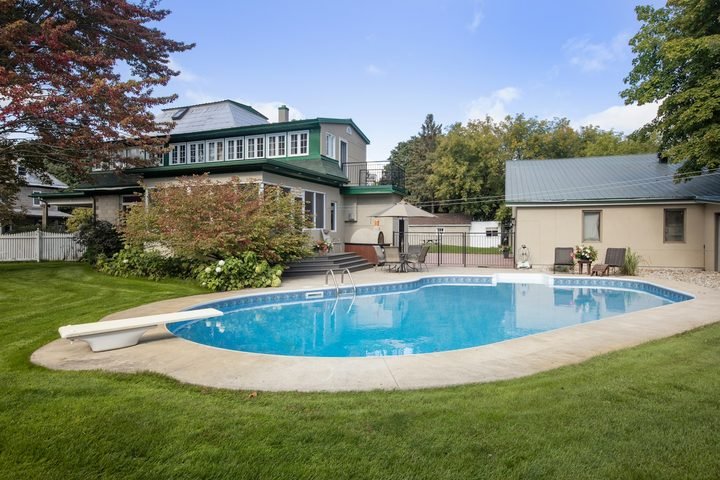
In 30 seconds
- Triple-I suggests pool owners raise homeowners liability coverage to at least $300,000 or $500,000, or more if their assets warrant it.
- An umbrella policy can add liability protection over and above your homeowners coverage.
- Insurers treat a pool as an attractive nuisance, something that can draw children in.
- Fences with self-closing gates, supervision and CPR skills help prevent accidents.
In this article
Pool safety and insurance facts
- Suggested liability: at least $300,000 or $500,000
- Extra protection: an umbrella policy
- Industry view: a pool is an attractive nuisance
- Fatal unintentional drownings: average of over 3,500 a year (2005 to 2014)
- Drowning victims age 14 or younger: more than 1 in 5
From Triple-I, Pool safety and insurance, citing CDC data.
Why a pool changes your insurance picture
Your homeowners policy includes personal liability coverage, which can pay if someone is hurt on your property and you're found responsible. A pool raises that risk. Triple-I notes that the insurance industry considers a pool an attractive nuisance, meaning it can attract children who don't understand the danger.
The stakes are high. Triple-I cites CDC data showing that from 2005 to 2014, there was an average of over 3,500 fatal unintentional drownings in the United States each year, and more than one in five drowning victims was 14 or younger.
How much liability coverage to carry
Triple-I suggests pool owners raise their homeowners liability coverage to at least $300,000 or $500,000, and more if their assets warrant it. For even more protection, an umbrella policy adds liability coverage over and above what you already have.
| Coverage | What it does |
|---|---|
| Homeowners personal liability | Can pay if someone is hurt on your property and you're responsible, up to your limit |
| Higher liability limit | Triple-I suggests at least $300,000 or $500,000 for pool owners |
| Umbrella policy | Adds liability protection above your homeowners limit |
| Dwelling and other structures coverage | Can help repair or replace the pool and items like deck furniture after a covered loss |
Source: Triple-I, Pool safety and insurance. Check your policy limits and exclusions.
Triple-I suggests contacting your insurance professional and reviewing your coverage if you have a pool or plan to install one.
Coverage for the pool itself
Liability isn't the only issue. Triple-I suggests making sure you have enough coverage to replace the pool and items like deck furniture if a storm damages them. Ask whether your pool is covered under your dwelling or other structures coverage, and whether the limit is high enough to rebuild it.
Safety steps that also protect you
The best claim is the one that never happens. Triple-I recommends:
- ✓ Fence the pool on all sides, with self-closing gates.
- ✓ Alarm the doors that lead from the house to the pool.
- ✓ Post the depth and pool rules near the diving board, if you have one.
- ✓ Never dive into an aboveground pool.
- ✓ Never leave children unsupervised in or near the water.
- ✓ Learn CPR, and keep ring buoys and reaching poles nearby.
- ✓ Limit alcohol. Triple-I cites CDC data that alcohol is involved in up to half of water-recreation deaths among adolescents and adults.
A summer scenario
The Parkers' new pool
The Parkers install an in-ground pool. Before the first swim, they call their agent, who suggests raising their liability limit and adding a $1 million umbrella policy.
They also put up a four-sided fence with a self-closing gate and add door alarms. Both parents take a CPR class.
That summer, a neighbor's child slips on the wet deck during a party and needs stitches. Because the Parkers have liability coverage, their insurer handles the medical bills claim.
They're glad they reviewed their coverage before anyone got in the water.
Illustrative example. Names are made up. Coverage depends on your policy and the facts of a claim.
Your pool insurance checklist
- Call your agent before you build or buy Ask about liability limits and any pool rules.
- Raise your liability limit Consider at least $300,000 or $500,000, or more if your assets warrant it.
- Consider an umbrella policy It adds protection above your homeowners limit.
- Check property coverage for the pool Make sure it's enough to repair or replace the pool and deck items.
- Put safety measures in place Fence, gates, alarms, supervision and CPR.
Aboveground pools, hot tubs and diving boards
The same liability questions apply to aboveground pools and hot tubs. Any body of water on your property can be a hazard, especially for young children. Triple-I's advice to never dive into an aboveground pool is a reminder that shallow water causes serious injuries too.
Features like diving boards and slides add fun but also add risk. If you have them, post the depth and rules nearby, as Triple-I suggests, and make sure guests know them. When you talk with your agent, mention every feature you have, so your coverage reflects your actual setup. Leaving something out could cause problems if there's ever a claim.
- ✓ Treat hot tubs like pools: cover and lock them when not in use.
- ✓ List every feature when you talk to your agent.
- ✓ Post rules and depth markers near diving boards.
Talking to your insurer before you build
The best time to talk about insurance is before the pool goes in. Triple-I recommends contacting your insurance professional if you have a pool or are planning to put one in. Ask how the pool would change your premium, whether your current liability limit is enough, and whether the policy covers damage to the pool and deck furniture after a storm. If you're adding a fence, cover or alarm anyway, ask whether any of those features affect your coverage or cost.
It's also a good moment to look at your whole liability picture. A pool is one risk, but a trampoline, a dog or frequent guests add to it. Triple-I suggests liability limits of at least $300,000 or $500,000 for pool owners, and an umbrella policy can add more protection over and above your homeowners coverage. Get every answer in writing.
- ✓ Call before you build, not after the pool is finished.
- ✓ Ask about your premium and your current liability limit.
- ✓ Ask about storm damage to the pool and furniture.
- ✓ Price an umbrella policy at the same time.
Frequently asked questions
Should I tell my insurer before installing a pool?
Yes. Triple-I recommends talking with your insurance professional if you have a pool or plan to put one in.
Does homeowners insurance cover an aboveground pool?
It can, under your property and liability coverage. Tell your agent about the pool and confirm how it's covered.
Will a pool raise my homeowners insurance premium?
It can, because a pool adds liability risk. Ask your agent how adding a pool would change your premium before you build or buy.
Does homeowners insurance cover a swimming pool?
Your homeowners policy's liability coverage can apply if someone is hurt and you're responsible, and property coverage may help repair the pool after a covered loss. Check your policy and talk to your agent.
How much liability insurance do I need with a pool?
Triple-I suggests raising liability coverage to at least $300,000 or $500,000, and more if your assets warrant it.
Do I need an umbrella policy if I have a pool?
It's worth considering. An umbrella policy adds liability protection above your homeowners coverage.
Why is a pool called an attractive nuisance?
Because it can draw in children who don't understand the danger. Triple-I says the insurance industry views pools this way.
Do I need to tell my insurer I have a pool?
Triple-I suggests contacting your insurance professional and reviewing your coverage if you have a pool or plan to install one.
Review your home insurance coverage
Compare options available where you live, or call to talk it through with a licensed agent. Looking is free.
ConnectingCrowd is an information site and is not affiliated with any government agency.
Compare home insurance options
SponsoredRelated guides
See all home insurance guides Umbrella insurance: protection for the lawsuit your home and auto policies can't cover
 Does homeowners insurance cover dog bites? What's covered, and when breed matters
 What does homeowners insurance cover? A room-by-room walk through your policy
 Sinkhole insurance: what's covered, what isn't, and how claims work
 Vacant home insurance: how vacancy clauses work and how to protect an empty house
 Homeowners insurance escrow: how it works and why your mortgage payment changes
See home insurance options in your state
Coverage and prices vary by state and insurer. Enter your ZIP code to compare options. Looking is free.
Compare home insurance for your situation
SponsoredDisclaimer: This article is for general information only and is based on publicly available sources, which may be incomplete, outdated or incorrect. It is not legal, financial, insurance, tax or medical advice. ConnectingCrowd is not affiliated with any government agency, insurer or lender. Please do your own research and talk to a licensed professional before making any decision.