
The essentials
- Standard homeowners insurance does not cover flood damage.
- Flood insurance through the National Flood Insurance Program (NFIP) covers up to $250,000 for a home and $100,000 for belongings.
- There is usually a 30-day waiting period, so you cannot buy it when a storm is already on the way.
- About one-third of NFIP claims from 2013 to 2023 came from outside high-risk flood areas.
In this article
NFIP at a glance
- Building coverage: up to $250,000 for a single-family home
- Contents coverage: up to $100,000
- Renters: up to $100,000 for contents only
- Waiting period: usually 30 days
From FEMA's National Flood Insurance Program materials. Private flood insurers may offer higher limits.
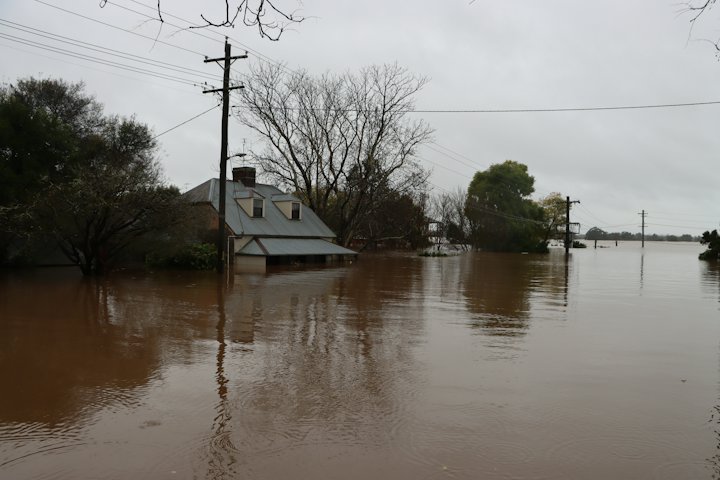
Flood insurance is the policy most homeowners skip and later wish they had. A homeowners policy covers a burst pipe, but not water that comes in from outside after heavy rain, a storm surge or an overflowing river.
Here is what flood insurance covers, where to get it, and how to time it so you are protected.
What flood insurance covers
Building coverage
- Foundation, walls and floors
- Electrical and plumbing systems
- Furnace, water heater and built-in appliances
- Permanently installed carpet and cabinets
Contents coverage
- Furniture and clothing
- Electronics
- Portable appliances such as washers and dryers
- Curtains and carpets that are not built in
Basements have limited coverage under NFIP policies. Finished basement walls, floors and most belongings stored there are generally not covered.
Do you need flood insurance if you are not in a flood zone?
NFIP claims from 2013 to 2023 that came from outside current high-risk flood areas
Lenders require flood insurance for homes in high-risk zones with federally backed mortgages. Outside those zones it is optional, but flooding can still happen from heavy rain, poor drainage or snowmelt.
Compare flood and home coverage
SponsoredThe 30-day waiting period
- Day 0You buy an NFIP policy and pay the premium.
- Days 1 to 29The policy is not active yet. Flood damage is not covered.
- Day 30Coverage begins.
- ExceptionsSome policies bought with a new mortgage or right after a mapping change can start sooner.
If you live where hurricanes or spring floods are common, buy or renew well before the season starts.
Check flood coverage options for your ZIP code
Rates change from one ZIP code to the next. Add yours to see homeowners insurance options available where you live, with no commitment.
NFIP vs private flood insurance
| NFIP | Private flood | |
|---|---|---|
| Backed by | Federal government | Private insurers |
| Home limit | Up to $250,000 | Can be higher |
| Waiting period | Usually 30 days | Often shorter |
| Availability | Communities in the program | Varies by state and insurer |
Frequently asked questions
Does homeowners insurance cover flooding?
No. Standard homeowners policies exclude flood. You need a separate flood policy.
How much does flood insurance cost?
It depends on your home's flood risk, elevation and coverage amount. A home outside a high-risk zone often pays much less than one inside it.
Can I buy flood insurance anytime?
Yes, but NFIP policies usually take 30 days to start. Buying when a storm is forecast will not protect you from that storm.
Does flood insurance cover my basement?
Only partly. NFIP policies cover essentials such as the furnace and water heater in a basement, but not most finished areas or stored belongings.
See home insurance options for your address
SponsoredSources
Disclaimer: Connecting Crowd is an independent information website. We do not represent any insurance company, lender, agency or government body. Everything on this site is for general information only. Details such as prices, rates and rules can change and may differ slightly from what is shown here, so please do your own research and verify any information with the official source or a qualified professional before making a decision. This page contains advertising, and we may be paid when you click a link or call a number.