
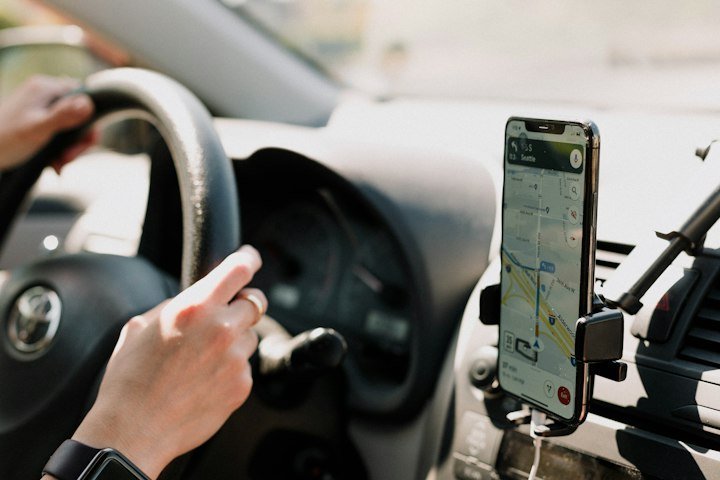
Usage-based insurance in four points
- Usage-based insurance, also called telematics, uses your real driving data to help set your premium.
- Programs may track miles, time of day, hard braking, rapid acceleration and hard cornering.
- The NAIC says premiums can go up or down depending on your driving, and not every driver qualifies for a discount.
- Ask exactly what is tracked and how your data is used before you sign up.
In this article
Telematics at a glance
- 3 ways to collect dataPhone app, plug-in device, or built-in vehicle system
- 45%Drivers in a telematics program who said they made significant safety changes
- 35%Drivers who said they made small changes
- VoluntaryEnrollment in these programs, according to Triple-I
From the NAIC and Triple-I, citing the Insurance Research Council (2022).
What usage-based insurance is
The NAIC explains that usage-based insurance, or UBI, uses telematics to track driving behavior and send that data to your insurer. The insurer adds your actual driving to the usual rating factors, like your driving record and the type of vehicle you drive.
There are a few versions:
- Pay-as-you-drive: your premium is tied to how much you drive.
- Pay-how-you-drive: your premium is tied to your driving habits.
- Pay-as-you-go or per-mile: other variations that charge based mainly on distance.
How your driving is tracked
According to the NAIC, data can come from a device installed in your vehicle, a smartphone app, or a telematics system built into newer vehicles. Triple-I says enrollment in these programs is voluntary.
| What may be tracked | Example |
|---|---|
| How much you drive | Miles driven |
| When you drive | Time of day |
| Where you drive | Location of the vehicle |
| How you drive | Hard braking, rapid acceleration, hard cornering |
| Crash events | Airbag deployment |
From the NAIC. Each program tracks different things, so read the terms.
Will it lower your premium?
It depends on how you drive. The NAIC says premiums can go up or down based on your driving behavior, and low-risk drivers may pay less. Drivers who mostly make short trips at slower speeds will probably pay less than drivers who cover long distances at high speeds. The NAIC also notes that not every driver will be eligible for a discounted rate.
Before you enroll, ask the insurer directly: can this program raise my rate, or only lower it?
Does it change how people drive?
Triple-I cites a 2022 Insurance Research Council survey: 45% of drivers in a telematics program said they made significant safety-related changes to how they drive after joining, and another 35% made small changes. One in four said their changes were permanent.
Privacy questions to ask first
The NAIC suggests asking yourself and your insurer:
- What exactly is monitored, and by which device or app?
- Do I trust this insurer with my location and driving data?
- Can my data be used in a claim? Ask whether you decide if telematics data is used to settle a claim after an accident.
- How much could I realistically save, and would I change how I drive to get it?
Triple-I notes that some states have laws requiring insurers to disclose their tracking practices and devices.
Who it may fit
Usage-based programs may suit people who drive few miles, avoid late-night driving and brake gently. If you have a long daily commute or drive for work, a traditional policy may cost less. Get quotes both ways. Our guide to finding cheaper auto insurance has more ideas.
Frequently asked questions
What is usage-based auto insurance?
A policy that uses data from an app, plug-in device or built-in vehicle system to price your coverage partly on how, when and how much you drive.
Can usage-based insurance raise my rate?
It can. The NAIC says premiums can go up or down depending on your driving. Ask whether your program is discount-only.
What does a telematics app track?
Programs may track miles driven, time of day, location, hard braking, rapid acceleration and hard cornering.
Do I have to join a telematics program?
Triple-I says enrollment is voluntary.
Compare auto insurance for your situation
Compare options available where you live, or call to talk it through with a licensed agent. Looking is free.
ConnectingCrowd is an information site and is not affiliated with any government agency.
Compare auto insurance quotes
SponsoredKeep reading


Other auto insurance guides
- Rideshare Auto Insurance: Coverage Gaps for Uber, Lyft
- Total Loss Auto Claims: What Happens When It's Totaled
- Auto Insurance Deductible: How to Choose the Right Amount
- Rental Vehicle Insurance: Do You Need the Counter's Coverage?
- Adding a Teen Driver to Auto Insurance: A Parent's Guide
- Non-Owner Auto Insurance: Who Needs It and What It Covers
- How to Switch Auto Insurance Without a Coverage Gap
- Gap Insurance: What It Covers and When You Need It
- Uninsured Motorist Coverage: How UM and UIM Protect You
Other topics:MedicarePersonal loansLife insuranceHome insuranceDebt reliefAll guides
See auto insurance options in your state
Usage-based programs and rates vary by state and insurer. Enter your ZIP code to compare options. Looking is free.
Compare auto insurance for your situation
SponsoredSources
Disclaimer: Connecting Crowd is an independent information website. We do not represent any insurance company, lender, agency or government body. Everything on this site is for general information only. Details such as prices, limits and rules can change and may differ slightly from what is shown here, so please do your own research and verify any information with the official source or a qualified professional before making a decision. This page contains advertising, and we may be paid when you click a link or call a number.