

In 30 seconds
- Towing and labor coverage pays to tow your car if it can't be driven, and for labor like changing a flat tire or jump-starting a battery.
- Idaho's regulator says roadside assistance generally pays for help such as a lockout or an empty fuel tank.
- Coverage limits, what's included and the price vary by insurance company.
- It usually has no deductible and costs little, according to Vermont's consumer guide.
- You may already have roadside help through an auto club, so check before you pay twice.
In this article
Roadside assistance at a glance
- Tows your car if it can't be driven
- Labor: flat tire change, jump-start
- Often: lockouts and fuel delivery
- Limit: a dollar limit per service
- Deductible: usually none
Sources: Texas Department of Insurance; Idaho Department of Insurance; Vermont DFR.
What roadside assistance covers
The Texas Department of Insurance says towing and labor coverage pays to tow your car if it can't be driven, and also pays for labor to change a flat tire or jump-start your battery. The Idaho Department of Insurance describes roadside assistance and towing and labor as coverage that generally pays when you need a tow or other help on the side of the road, such as a lockout or an empty fuel tank.
| Problem | Typically covered? |
|---|---|
| Car won't start or can't be driven | Tow to a repair shop, up to your limit |
| Dead battery | Jump-start |
| Flat tire | Labor to put on your spare |
| Locked out | Often, depending on the policy |
| Out of gas | Help with an empty fuel tank, per Idaho's regulator; check what your policy pays for |
General guide. What's included varies by insurer and policy.
Limits and costs
Idaho's insurance department says the extent of coverage, the limits and the premium can vary with each insurance company. Many policies cap what they'll pay per service call. If a tow costs more than your limit, for example because the nearest shop is far away, you pay the difference.
Vermont's consumer guide says there's no deductible for towing and labor coverage and the cost is usually small. That makes it one of the cheaper extras you can add to a policy.
Look for the per-service limit, how far a tow is covered, whether lockouts and fuel delivery are included, and how many service calls are allowed.
Can using it affect your policy?
Roadside calls are usually treated differently from accident claims, but they're not always invisible. The Texas Department of Insurance says an insurer may refuse to renew your towing and labor coverage if you have four of these claims in 36 months. Other states have their own rules. If you have an older car that breaks down often, an auto club membership might be a better fit than using your insurance policy repeatedly.
Roadside assistance vs an auto club
| Roadside coverage on your auto policy | Auto club membership | |
|---|---|---|
| How you pay | Small addition to your premium | Yearly membership fee |
| Where to check terms | Your policy and declarations page | Your membership terms |
| Claims on your policy | Calls may be tracked by your insurer | Separate from your insurance |
General comparison. Terms vary by insurer and club.
Vermont's guide points out that an auto club membership may already give you towing. If you have one, adding roadside coverage to your policy may mean paying twice for the same thing. Check what you already have before you add it.
When it's worth adding
Who benefits most
Drivers with older cars more likely to break down.
People who drive long distances or in rural areas, where a tow can be far.
Anyone without an auto club membership or other roadside benefit.
Parents of teen drivers who want a simple way for help to arrive.
Illustrative example. Names and numbers are made up to show how it works.
What to do when you need help
- Get safe first Pull as far off the road as you can and turn on your hazard lights.
- Call the number on your ID card or app Many insurers have a dedicated roadside line.
- Describe the problem Say whether you need a tow, a jump-start, a tire change, a lockout or fuel.
- Ask about costs Confirm what's covered before the truck arrives.
- Keep receipts If you pay first, you may be able to get reimbursed up to your limit.
When an accident is involved
If your car needs a tow after a crash, that tow may be handled as part of your collision or comprehensive claim, or by the other driver's insurer if they're at fault. Roadside coverage is mainly for breakdowns. Our guide on what to do after an auto accident covers the steps after a crash.
What roadside coverage isn't for
Roadside coverage handles getting you moving or getting your car to a shop. The Texas Department of Insurance describes the labor part as things like changing a flat tire or jump-starting a battery. It isn't meant to pay for the repair itself once the car reaches the shop. A worn-out transmission or engine trouble is generally a maintenance cost, not an insurance claim.
It also isn't the same as comprehensive or collision coverage. Those pay for damage to your car from covered events, such as a crash, theft or hail. Roadside coverage is for breakdowns and minor roadside help. Our guide to auto insurance coverage types explains the difference.
It's optional, so you have to ask for it
Roadside help isn't part of the coverage your state requires. The California Department of Insurance lists towing as an optional endorsement you can add to a policy, and the Idaho Department of Insurance says the limits on these optional coverages vary by insurer. So if you're not sure you have it, check your declarations page. If it isn't listed, you don't have it, and you can usually ask your agent or insurer to add it at your next change or renewal.
The bottom line
Roadside assistance, or towing and labor coverage, pays for a tow and basic help like jump-starts and flat tire changes, up to a limit, usually with no deductible and at a small cost. Check whether you already have roadside help through an auto club or your car, and add it if you don't.
Frequently asked questions
Does roadside assistance pay for repairs?
Generally no. Texas describes towing and labor coverage as paying for a tow and labor like a flat tire change or jump-start, not the repair at the shop.
What does roadside assistance cover?
Typically a tow if your car can't be driven, plus labor like a jump-start or flat tire change. Idaho's regulator says it generally helps with lockouts and empty fuel tanks too.
Is roadside assistance worth it on auto insurance?
It's usually inexpensive with no deductible. It's worth it if you don't already have an auto club membership or other roadside benefit.
Does roadside assistance count as a claim?
Insurers may track it. In Texas, an insurer may refuse to renew towing and labor coverage after four such claims in 36 months.
Is there a deductible for towing and labor coverage?
Usually not. Vermont's consumer guide says there's no deductible and the cost is usually small.
Does roadside assistance pay for gas?
Idaho's insurance department says roadside coverage generally helps when you have an empty fuel tank. Check your policy for what it pays for.
See what you could pay
Compare options available where you live, or call to talk it through with a licensed agent. Looking is free.
ConnectingCrowd is an information site and is not affiliated with any government agency.
Compare auto insurance options
SponsoredRelated guides
See all auto insurance guides Auto insurance coverage types, explained with one bad day
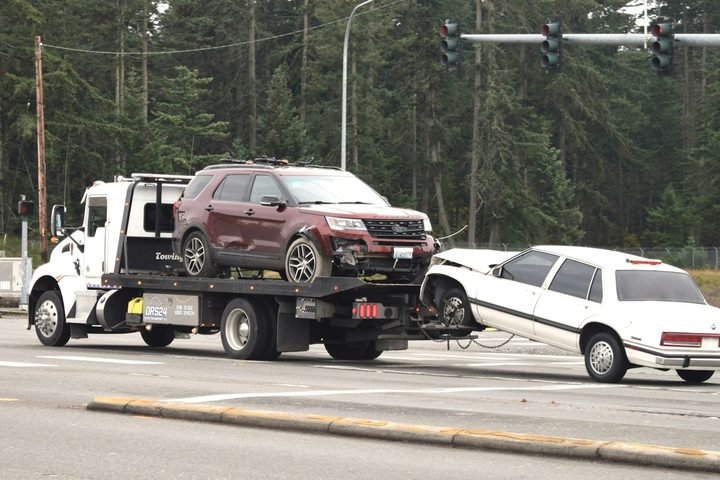 Rental reimbursement coverage: what it pays, the limits to check, and when it's worth it
 Cheap auto insurance without cutting corners: 9 moves that work
 Does auto insurance follow the car or the driver? What happens when you lend or borrow
 How to read your auto insurance declarations page, and the mistakes worth catching
 Black ice accident insurance: what pays after a winter crash, and how to stay on the road
See auto insurance options near you
Rates and available coverages vary by state and insurer. Add your ZIP code to compare. It is free and you are not committing to anything.
Find auto insurance that fits your loan or lease
SponsoredSources
Disclaimer: This article is for general information only and is based on publicly available sources, which may be incomplete, outdated or incorrect. It is not legal, financial, insurance, tax or medical advice. ConnectingCrowd is not affiliated with any government agency, insurer or lender. Please do your own research and talk to a licensed professional before making any decision.