
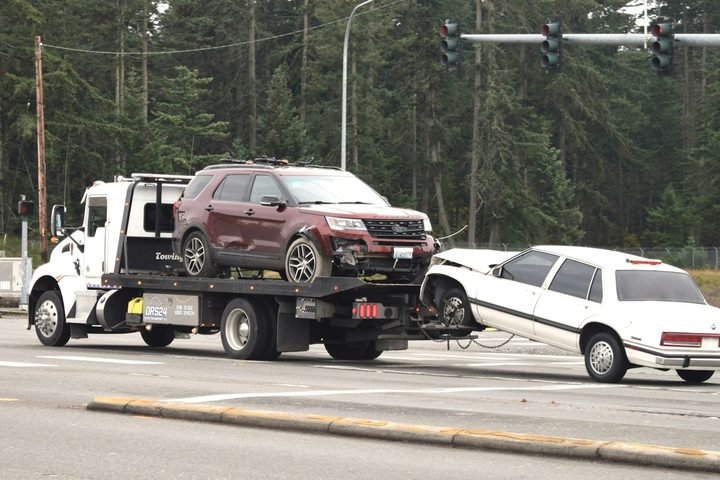
In 30 seconds
- Rental reimbursement pays for a rental car while your car is being repaired after a covered claim, or if it's stolen, depending on your policy.
- It pays a set amount per day, up to a total dollar limit on your policy.
- Some policies also pay for taxis or ride-hailing services, the Texas Department of Insurance says.
- If another driver caused the crash, their insurance company should pay for your rental.
- It typically doesn't pay for fuel, and you may pay the difference for a pricier rental.
In this article
Rental reimbursement at a glance
- Pays: a set daily amount for a rental
- Limit: a per-day amount and a total limit
- When: while your car is repaired after a covered claim
- Doesn't usually pay: fuel or extra services
- Cost: usually small
Sources: Texas Department of Insurance; Idaho Department of Insurance; Vermont DFR.
What rental reimbursement coverage is
The Texas Department of Insurance says rental reimbursement coverage pays for you to rent a car if yours is stolen or being repaired after an accident, and that some policies also pay for taxis or ride-hailing services. The Idaho Department of Insurance says rental coverage pays the cost of a substitute vehicle while your vehicle is being repaired for covered damages.
It's optional. The California Department of Insurance lists it among the extras you can buy for renting a car while yours is repaired after a covered accident. You add it to your policy, usually for a small cost.
How the limits work
Rental reimbursement has two limits: a daily amount and a total. The Texas Department of Insurance says it pays a set amount each day and only up to your policy's rental coverage dollar limits. Vermont's consumer guide notes that you can sometimes get higher daily amounts if you're willing to pay more, and that there can be a waiting period of a few days before coverage starts on some policies.
| Policy limit (example) | What it means |
|---|---|
| $30 a day, $900 total | Up to $30 a day, until you reach $900 |
| $40 a day, $1,200 total | Up to $40 a day, until you reach $1,200 |
| $50 a day, $1,500 total | Up to $50 a day, until you reach $1,500 |
Illustrative examples. Check your declarations page for your actual limits.
If rental prices where you live are higher than your daily limit, you'll pay the difference. Look up typical rental rates near you before choosing a limit.
What it doesn't cover
- ✓ Fuel. Idaho's insurance department says rental coverage typically doesn't reimburse you for fuel or additional services.
- ✓ Upgrades. The rental may not be the same type as your car. If you choose a more expensive rental, you may pay the difference.
- ✓ Repairs that aren't covered. It applies only when the repair is part of a covered claim.
- ✓ Unlimited time. Once you hit your total limit, the coverage ends.
If your car is totaled
When your car can't be repaired, rental coverage doesn't last forever. Idaho's insurance department says that if the vehicle is a total loss, rental coverage typically runs until the insurance company provides a settlement offer. Use that time to plan your next car. Our total loss claim guide explains how settlements work.
When the other driver is at fault
If another driver caused the crash, the Texas Department of Insurance says the other driver's insurance company will pay for you to rent a car. In practice, that can take time while fault is decided. Having your own rental reimbursement can get you into a rental right away. Our guide to filing with the other driver's insurance walks through it.
Is rental reimbursement worth it?
Ask yourself three questions
Do you have another car in the household you could use for a week or two?
Could you get to work and run errands without a car, using transit or rides?
Could you easily pay for a rental out of pocket for 10 to 20 days?
If you answered no to all three, rental reimbursement is probably worth its small cost.
Illustrative example. Names and numbers are made up to show how it works.
Vermont's guide notes the cost of the coverage is usually quite small compared with the cost of renting a car yourself during a long repair.
How to use it
- Report your claim Tell your insurer you need a rental when you report the claim.
- Ask about the limits Confirm your daily and total limits and any approved rental companies.
- Keep receipts Save the rental agreement and receipts in case you need to be reimbursed.
- Return it on time Rental coverage ends when repairs are done or your limit runs out.
Rental reimbursement vs insurance for a car you rent
These two get mixed up. Rental reimbursement pays for a rental car while your own car is being repaired or after it's stolen, as the Texas Department of Insurance describes it. It isn't the same as coverage for damage to a car you rent on a trip. That question depends on your own policy and what the rental company offers. Our guide to insurance for rental cars covers it.
How to make your coverage go further
- Know your daily limit Check your declarations page for the daily amount and the total limit.
- Pick a rental that fits the limit Idaho's regulator says you pay the difference if you choose a pricier car.
- Ask about ride-hailing The Texas Department of Insurance says some policies pay for taxis or ride-hailing instead of a rental.
- Keep receipts Save every rental and ride receipt for your claim.
- Track the repair Stay in touch with the shop so the rental days don't run out before your car is ready.
Our guide to your declarations page shows where to find your limits.
The bottom line
Rental reimbursement coverage helps pay for a rental car while yours is repaired after a covered claim, up to a daily amount and a total limit. It usually costs little and doesn't pay for fuel. If you'd struggle without a car for a week or two, it's worth adding.
Frequently asked questions
Does rental reimbursement have a deductible?
Usually not. Vermont's consumer guide to auto insurance says there's no deductible, though there's often a waiting period of a few days.
Does rental reimbursement pay for Uber or taxis?
Some policies do. The Texas Department of Insurance says some policies pay for taxis or ride-hailing services. Check your policy.
What is rental reimbursement coverage?
Optional auto coverage that pays for a rental car, and sometimes taxis or rides, while your car is repaired after a covered claim, up to your limits.
How much does rental reimbursement pay per day?
It depends on the limit you choose. It pays a set amount each day up to a total dollar limit on your policy.
Does rental reimbursement pay for gas?
Typically no. Idaho's insurance department says it usually doesn't reimburse fuel or additional services.
Do I need rental coverage if the other driver is at fault?
The other driver's insurer should pay for your rental, but your own coverage can get you a car faster while fault is decided.
Is rental reimbursement worth it?
Often, if you have no backup car or way to get around. The coverage is usually inexpensive.
See what you could pay
Compare options available where you live, or call to talk it through with a licensed agent. Looking is free.
ConnectingCrowd is an information site and is not affiliated with any government agency.
Compare auto insurance options
SponsoredRelated guides
See all auto insurance guides Auto insurance coverage types, explained with one bad day
 Vehicle totaled? How a total loss claim works, and how to push back on a low offer
 At the rental counter: which coverage you may already have
 Does auto insurance follow the car or the driver? What happens when you lend or borrow
 How to read your auto insurance declarations page, and the mistakes worth catching
 Black ice accident insurance: what pays after a winter crash, and how to stay on the road
See auto insurance options near you
Rates and available coverages vary by state and insurer. Add your ZIP code to compare. It is free and you are not committing to anything.
Find auto insurance that fits your loan or lease
SponsoredSources
Disclaimer: This article is for general information only and is based on publicly available sources, which may be incomplete, outdated or incorrect. It is not legal, financial, insurance, tax or medical advice. ConnectingCrowd is not affiliated with any government agency, insurer or lender. Please do your own research and talk to a licensed professional before making any decision.