The verdict up front
- If you will carry a balance for months, a personal loan usually costs less: bank loans averaged 11.86% in Q2 2026 versus 22.15% on cards charging interest (Federal Reserve).
- If you can pay in full within a month, or before a 0% intro period ends, a card can be cheaper.
- A loan gives you a fixed payoff date. A card's minimum payment can stretch debt out for years.
In this article
Rates side by side
- 24-month bank personal loan: 11.86% average
- Credit cards, accounts charged interest: 22.15% average
- Credit cards, all accounts: 20.94% average
Federal Reserve G.19, Q2 2026.
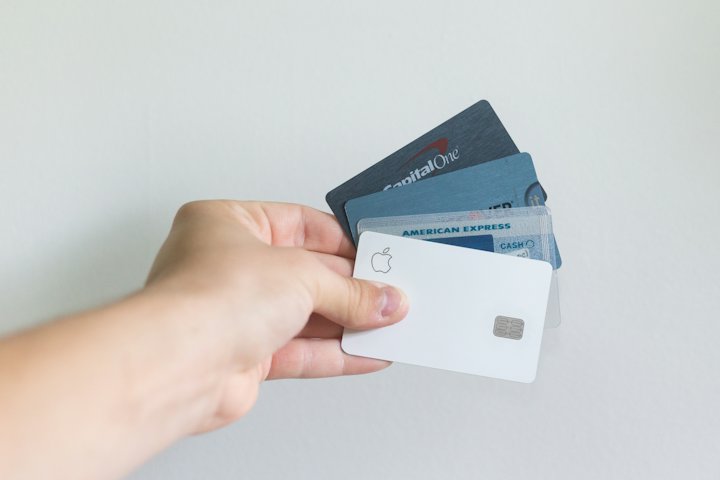
Personal loan vs. credit card: both can pay for the same thing. But a personal loan is a lump sum with a fixed payment and a finish line, while a credit card is a revolving line with a minimum payment that can keep you in debt far longer than you planned.
Round 1: cost
$5,000 paid off over two years
On a card at 22.15%, paying it off evenly over 24 months costs about $260 a month and roughly $1,234 in interest.
With a personal loan at 11.86%, it is about $235 a month and roughly $641 in interest.
Winner: the loan, by about $590, unless an origination fee eats into it.
Fixed monthly payments at Q2 2026 Federal Reserve average rates. Your rates will differ.
Round 2: flexibility
Personal loan
- One lump sum, then you are done borrowing
- Fixed payment and end date
- Possible origination fee
Credit card
- Borrow and repay again and again
- Minimum payment, balance can linger
- Annual, late and cash advance fees possible
Winner: the card, for small and ongoing costs you will pay off quickly.
See if a loan beats your card's rate
SponsoredRound 3: your credit score
Paying down card balances with a loan can lower your credit utilization, the share of your card limits you are using, which often helps your score. A loan also adds an installment account to your mix. Either one helps if you pay on time and hurts if you do not.
Winner: a tie, with a slight edge to the loan when it is used to pay off cards.
Compare loan rates against your card
Enter your ZIP code to see lenders and loan options available where you live. Checking options does not commit you to anything.
Personal loan or credit card: which should you use?
| Your situation | Better choice |
|---|---|
| A large, one-time cost you will repay over months or years | Personal loan |
| Paying off high-rate card debt | Personal loan |
| Everyday spending you pay off every month | Credit card |
| A purchase you can repay during a 0% intro APR | Credit card |
Card cash advances usually come with a fee and a higher APR that starts right away, so they are typically the most expensive way to borrow on a card.
Frequently asked questions
Is a personal loan cheaper than a credit card?
Usually, if you carry a balance. Bank personal loans averaged 11.86% in Q2 2026 compared with 22.15% for card accounts charged interest.
Can I use a personal loan to pay off credit cards?
Yes. That is called debt consolidation and can save money if the new APR is lower and you avoid new card debt.
Which is better for my credit score?
Paying down card balances with a loan can lower your utilization, which may help your score. Both help if you pay on time.
Should I use a cash advance instead?
Card cash advances usually carry fees and a higher APR that starts immediately, so they are typically more expensive.
Ready to compare personal loan offers?
SponsoredSources
Disclaimer: Connecting Crowd is an independent information website. We do not represent any insurance company, lender, agency or government body. Everything on this site is for general information only. Details such as prices, rates and rules can change and may differ slightly from what is shown here, so please do your own research and verify any information with the official source or a qualified professional before making a decision. This page contains advertising, and we may be paid when you click a link or call a number.