
In 30 seconds
- Medicare Part B helps pay for medically necessary outpatient physical therapy if you're eligible.
- Your doctor or another qualified provider, such as a nurse practitioner, clinical nurse specialist or physician assistant, must certify that you need it.
- After you meet the Part B deductible ($283 in 2026), you generally pay 20% of the Medicare-approved amount.
- Medicare.gov says there's no limit on how much Medicare pays for medically necessary outpatient therapy in one calendar year.
In this article
Medicare physical therapy at a glance
- Coverage: Part B, outpatient physical therapy
- Yearly limit: none for medically necessary therapy
- Part B deductible: $283 in 2026
- Your share after the deductible: 20% of the Medicare-approved amount
- Who certifies the need: your doctor, NP, CNS or PA
From Medicare.gov, Physical therapy services and Medicare costs (2026 figures).
What Medicare covers for physical therapy
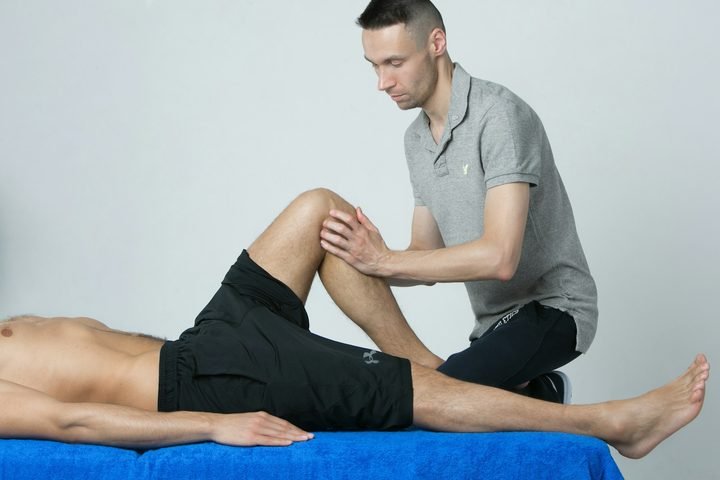
Physical therapy falls under Medicare Part B, the part of Original Medicare that covers outpatient care. Medicare.gov's coverage page puts it plainly: Part B helps pay for medically necessary outpatient physical therapy, if you're eligible. Outpatient means you aren't admitted to a hospital as an inpatient. It's the kind of therapy you get at a clinic, a therapist's office or a hospital outpatient department, often two or three visits a week while you recover.
The key phrase is medically necessary. Medicare pays for therapy that treats a health condition, such as rebuilding strength after surgery, regaining balance after a fall or relearning how to walk after a stroke. Therapy that's mainly for general fitness or comfort, with no medical need behind it, is a different story. If you're not sure where your sessions fall, ask your therapist before treatment starts.
You may still see websites talk about yearly therapy caps. Medicare.gov now says there's no limit on how much Medicare pays for your medically necessary outpatient therapy services in one calendar year.
Who has to sign off on your therapy
Medicare doesn't pay for physical therapy just because you'd like it. Medicare.gov says your doctor or other health care provider must certify that you need it. That provider can be a nurse practitioner, a clinical nurse specialist or a physician assistant, not only a physician.
In practice, this usually happens without much effort on your part. Your surgeon or primary care doctor refers you to a therapist, the therapist evaluates you, and the paperwork goes back to your provider to approve. Where you can help is by keeping your follow-up appointments, so your provider can see that therapy is still needed and is helping. If your provider stops certifying the need, Medicare may stop paying.
What you pay for outpatient physical therapy
Medicare.gov's coverage page sums up the cost in one line: after you meet the Part B deductible, you pay 20% of the Medicare-approved amount. The Medicare-approved amount is the amount Medicare has agreed to pay for a service, which can be lower than what a clinic lists as its full price.
| Cost | What you pay (2026) |
|---|---|
| Part B premium | $202.90 a month for most people |
| Part B deductible | $283 for the year, paid once |
| Each therapy visit after the deductible | 20% of the Medicare-approved amount |
| Yearly limit on Medicare's share | None for medically necessary therapy |
Premium and deductible from Medicare.gov, Medicare costs. Coinsurance from Medicare.gov, Physical therapy services.
Medicare.gov also notes that the specific amount you owe depends on a few things: any other insurance you have, how much your doctor charges, whether your doctor accepts assignment, the type of facility, and where you get the service. Two people getting the same therapy can end up with different bills.
A sample bill, step by step
Linda's knee rehab
Linda, 71, has knee replacement surgery in March. Her surgeon refers her to an outpatient clinic, and the therapist plans 12 sessions over six weeks. She hasn't used any other Part B services yet this year.
Say the Medicare-approved amount for her therapy works out to $1,200 in total. Linda first pays the $283 Part B deductible. That leaves $917, and she pays 20% of it, which is $183.40. Medicare pays the rest.
Her total for the six weeks comes to $466.40, plus her monthly Part B premium. If she has a Medigap policy or other coverage, some of that could be paid for her.
Because there's no yearly limit on Medicare's share for medically necessary therapy, Linda doesn't need to worry about running out of covered visits if her doctor certifies that she needs more.
Illustrative example. The $1,200 figure is made up to show how the deductible and 20% coinsurance work. Real Medicare-approved amounts vary by service and location.
How other coverage can change your share
The 20% coinsurance is what you pay with Original Medicare alone. Other coverage can change that number:
- ✓ Medigap. A Medicare Supplement Insurance policy can help pay some of the deductibles and coinsurance that Original Medicare leaves to you.
- ✓ Medicare Advantage. If you get Medicare through a Medicare Advantage plan, the plan sets its own copays or coinsurance and may require you to use therapists in its network. Check your plan's Evidence of Coverage or call the plan.
- ✓ Coverage from a job or Medicaid. Other insurance can pay part of your share, depending on which coverage pays first.
- ✓ Assignment. A therapist or clinic that accepts assignment agrees to take the Medicare-approved amount as full payment, which can keep your share predictable.
Medicare.gov lists these same factors, other insurance, the provider's charges, assignment and the type of facility, as the things that shape what you'll actually owe.
Questions to ask before your first session
- Is this therapy medically necessary for my condition? Ask your provider to explain the goal of therapy and how long it's expected to take.
- Has my provider certified my therapy? Medicare needs your doctor, NP, CNS or PA to certify that you need it.
- Does the clinic accept Medicare assignment? Assignment means the clinic accepts the Medicare-approved amount as full payment.
- What will my share be per visit? Ask the clinic for an estimate based on the Medicare-approved amount, so you can plan for the 20%.
- If I have a Medicare Advantage plan, is this clinic in network? Plans can have their own rules, including network and approval requirements.
Before giving a service, a provider may ask you to sign a notice saying Medicare might not pay for it. Read it carefully and ask questions before you sign, because it can make you responsible for the bill.
When Medicare may not pay
The most common reason for a denied therapy bill is that Medicare decides the care wasn't medically necessary, or the paperwork showing your provider certified it is missing. If that happens, you'll see it on your Medicare Summary Notice. You have the right to appeal, and it often helps to ask your therapist and doctor for notes that show why therapy was needed and how you were progressing.
You can also call 1-800-MEDICARE with questions about a specific bill, or get free, unbiased help from your State Health Insurance Assistance Program (SHIP). SHIP counselors help people with Medicare understand their bills and their options at no cost.
Frequently asked questions
Does Medicare cover physical therapy?
Yes. Medicare Part B helps pay for medically necessary outpatient physical therapy if you're eligible and your doctor or other qualified provider certifies that you need it.
Is there a limit on physical therapy visits under Medicare?
Medicare.gov says there's no limit on how much Medicare pays for your medically necessary outpatient therapy services in one calendar year.
How much does physical therapy cost with Medicare?
After you meet the Part B deductible, which is $283 in 2026, you generally pay 20% of the Medicare-approved amount. Other insurance and the type of facility can change your share.
Who can certify that I need physical therapy?
Your doctor or another health care provider, including a nurse practitioner, clinical nurse specialist or physician assistant, must certify that you need it.
Does Medicare Advantage cover physical therapy?
Medicare Advantage plans must cover what Original Medicare covers, but they set their own costs and may require you to use in-network providers. Check with your plan before you start.
Review your Medicare coverage options
Compare options available where you live, or call to talk it through with a licensed agent. Looking is free.
ConnectingCrowd is an information site and is not affiliated with any government agency.
Compare Medicare plan options
SponsoredRelated guides
See all Medicare guides Medicare Part B in 2026: what you pay and what it covers
 Does your doctor accept Medicare assignment? How it changes what you pay
 Got an Advance Beneficiary Notice? What it means and how to choose
 Medicare and COBRA: the timing rule that catches people off guard when they leave a job
 Medicare and VA benefits: how veterans can use both after 65
 Medicare Advantage vs Original Medicare: how they really differ on doctors, costs and coverage
See Medicare plans in your area
Plans and agencies vary by area. Enter your ZIP code to compare options. Looking is free.
Compare Medicare options for your situation
SponsoredSources
Disclaimer: This article is for general information only and is based on publicly available sources, which may be incomplete, outdated or incorrect. It is not legal, financial, insurance, tax or medical advice. ConnectingCrowd is not affiliated with any government agency, insurer or lender. Please do your own research and talk to a licensed professional before making any decision.
Advertising disclosure: This page contains sponsored offers. Connecting Crowd may be paid when you click an offer or call a number on this page. This does not change the information in our articles.
ConnectingCrowd is an information site. We do not sell Medicare plans and do not represent any insurance company or plan. Please contact Medicare.gov, 1-800-MEDICARE, or your local State Health Insurance Program (SHIP) to get information on all of your options.
Connecting Crowd is not affiliated with or endorsed by the U.S. government or the federal Medicare program. This content is for educational purposes only and is not a recommendation to enroll in any plan.