
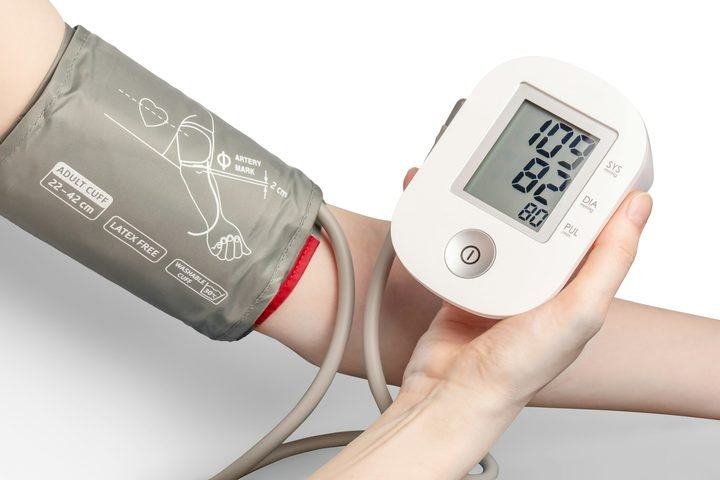
In 30 seconds
- Home blood pressure monitors are not on Medicare.gov's list of covered durable medical equipment. Ask Medicare before you buy one expecting it to pay.
- Part B covers ambulatory blood pressure monitoring (ABPM), a 24-hour test, once a year for people with suspected white coat or masked hypertension who meet CMS criteria.
- If you get dialysis at home, CMS lists a blood pressure apparatus among home dialysis supplies. It comes through your dialysis facility, which can't bill you separately for it.
- Your yearly Wellness visit includes a blood pressure check, and you pay nothing if your provider accepts assignment.
In this article
Medicare and blood pressure monitoring at a glance
- Home blood pressure cuff: not on Medicare.gov's DME list
- 24-hour ABPM test: covered once a year if you meet CMS criteria
- Home dialysis: blood pressure apparatus included in facility payment
- Yearly Wellness visit: includes a blood pressure measurement
- Part B deductible: $283 in 2026, $292 in 2027
From Medicare.gov, the CMS national coverage decision on ABPM, the Medicare Benefit Policy Manual and the CMS 2027 premiums fact sheet, checked November 26, 2026.
Does Medicare cover blood pressure monitors for home use?
Medicare Part B covers durable medical equipment, or DME, that your doctor orders for use in your home. Medicare.gov says equipment qualifies when it is durable enough for repeated use, used for a medical reason, typically only useful to someone who is sick or injured, used in your home, and expected to last at least three years.
Medicare.gov then lists examples of covered DME: canes, commode chairs, continuous passive motion machines, CPAP machines, crutches, diabetes supplies, hospital beds, infusion pumps, nebulizers, oxygen equipment, patient lifts, pressure-reducing support surfaces, suction pumps, traction equipment, walkers, and wheelchairs and scooters. A home blood pressure monitor is not on that list. Medicare's DME booklet doesn't mention one either; the only monitors it names are blood sugar monitors.
The list says covered DME "includes, but isn't limited to" those items, so the safest move is to ask before you buy. Call 1-800-MEDICARE (1-800-633-4227) and ask whether Original Medicare will pay for the specific monitor your doctor recommends. If the answer is no, a home cuff is an out-of-pocket purchase, and you can shop for one the way you would any other health product.
For how Medicare handles the equipment it does cover, see our guide to Medicare durable medical equipment.
What Medicare does cover: the 24-hour ABPM test
Ambulatory blood pressure monitoring is a test, not a device you keep. You wear a cuff connected to a small recorder that takes readings as you go about a normal day and night. Your doctor uses the results to decide whether you really have high blood pressure.
CMS has covered ABPM since 2001. Under its national coverage decision, updated for services on or after July 2, 2019, Part B covers ABPM to diagnose hypertension in two situations:
| Suspected condition | Average office reading | Readings outside the office |
|---|---|---|
| White coat hypertension (high in the office, normal elsewhere) | Systolic above 130 but below 160, or diastolic above 80 but below 100 | At least 2 readings below 130 / 80 |
| Masked hypertension (normal in the office, high elsewhere) | Systolic 120 to 129, or diastolic 75 to 79 | At least 2 readings of 130 / 80 or higher |
Source: CMS, MM11650, National Coverage Determination 20.19, Ambulatory Blood Pressure Monitoring. Office averages must come from 2 separate visits with at least 2 measurements at each.
CMS also sets rules for how the test is done:
- ✓ The device. It must produce standardized plots of your readings over 24 hours, with daytime and night-time windows and normal ranges marked.
- ✓ Instructions. You get oral and written instructions, and a test run is done in your doctor's office.
- ✓ Interpretation. Your treating physician or treating non-physician practitioner must interpret the results.
- ✓ Frequency. ABPM is covered once a year. CMS tells Medicare contractors to deny another claim within 12 months of a paid one.
CMS says Medicare contractors decide coverage for other reasons to use ABPM. If your doctor suggests the test for something other than suspected white coat or masked hypertension, ask whether Medicare is likely to pay.
Why the readings you take at home still matter
Here's the part many people miss. To qualify for ABPM, CMS requires at least two blood pressure readings taken outside the office. Those readings could come from a pharmacy machine or from a cuff you bought yourself. So even if Medicare won't pay for your home monitor, the numbers it records can help your doctor show that the 24-hour test is needed.
Log each home reading with the date, the time and which arm you used. Bring the log or the monitor to your appointment so your doctor can compare it with the office readings.
A yearly check-in helps too. Medicare.gov's guide to preventive services says the yearly Wellness visit includes routine measurements like height, weight and blood pressure. It's covered once every 12 months, and you pay nothing if your provider accepts assignment. See our guide to the Medicare Annual Wellness Visit.
Medicare also covers cardiovascular behavioral therapy once a year. Medicare.gov says your primary care provider may check your blood pressure and give you tips on diet and exercise during that visit. For the full list, see Medicare preventive services.
The exception: home dialysis
If you have kidney failure and do dialysis at home, the rules are different. The Medicare Benefit Policy Manual, chapter 11, lists a sphygmomanometer with cuff, the standard blood pressure apparatus, among home dialysis supplies. It also names a sphygmomanometer as a start-up supply for home hemodialysis and peritoneal dialysis patients.
Those items aren't billed to you or to Medicare one by one. CMS says instruments and nonmedical supplies, such as scales, stopwatches and blood pressure apparatus, are included in the ESRD prospective payment system, the bundled payment Medicare makes to your dialysis facility. The manual says the facility is financially responsible for home dialysis supplies and equipment, and can't charge Medicare or you separately for them. If you're starting home dialysis and haven't received a blood pressure cuff, ask your dialysis facility.
What you might pay
Costs depend on what you're getting:
| Service or item | Covered by Original Medicare? | What you might pay |
|---|---|---|
| Home blood pressure monitor | Not on Medicare.gov's DME list | Likely the full price. Ask Medicare first |
| 24-hour ABPM test | Yes, once a year if you qualify | Ask your provider. The Part B deductible may apply |
| Blood pressure cuff for home dialysis | Yes, through your dialysis facility | Not billed to you separately |
| Yearly Wellness visit | Yes, once every 12 months | $0 if your provider accepts assignment |
Sources: Medicare.gov DME coverage page and preventive services guide; CMS NCD 20.19; Medicare Benefit Policy Manual, chapter 11.
CMS announced on November 17, 2026, that the Part B deductible rises from $283 in 2026 to $292 in 2027, and the standard Part B premium from $202.90 to $209.40 a month. For more on these numbers, see Medicare Part B costs and coverage.
A worked example: the cuff and the test
Helen checks her numbers
Helen, 71, gets readings around 145 / 85 at two visits to her doctor. At home she feels fine, and she wonders whether the office makes her nervous.
She sees that home cuffs aren't on Medicare.gov's list of covered equipment, so she buys one herself and takes readings for two weeks. Most come in below 130 / 80.
Her doctor now has what CMS asks for: office averages from two visits that fall in the white coat range, plus home readings below 130 / 80. The doctor orders a 24-hour ABPM test.
Helen wears the monitor for a day and a night. Her doctor interprets the results and they decide together on next steps. Because ABPM is covered once a year, she knows a repeat test within 12 months probably won't be paid.
Illustrative example. Names are made up. Coverage depends on your records and your doctor's orders.
If you have Medicare Advantage or other coverage
The rules above describe Original Medicare. If you're in a Medicare Advantage plan, call the plan and ask whether it pays for a home blood pressure monitor, whether it covers ABPM and what you'd pay, and which suppliers or pharmacies you can use. Plans set their own costs and networks. Our guide to Medicare Advantage vs Original Medicare explains how the two differ.
If you have other coverage, such as a retiree plan or Medicaid, ask how it works with Medicare before you buy. Medicare coordination of benefits explains which coverage pays first.
Steps before you buy or test
- Ask your doctor what you need A home cuff for routine tracking and a 24-hour ABPM test serve different purposes.
- Call before you buy Ask 1-800-MEDICARE, or your plan if you have Medicare Advantage, whether the monitor will be covered.
- Track readings at home CMS requires at least two readings outside the office before ABPM is covered.
- Ask about the test cost Before an ABPM test, ask the office what you'll owe and whether you've already had one in the past 12 months.
- On home dialysis? Ask your facility A blood pressure apparatus is part of your home dialysis supplies.
Frequently asked questions
Does Medicare cover blood pressure monitors?
Home blood pressure monitors are not on Medicare.gov's list of covered durable medical equipment, so don't count on Original Medicare paying for one. Call 1-800-MEDICARE to ask about a specific device. Part B does cover a 24-hour ambulatory blood pressure monitoring test for people who meet CMS criteria.
Will Medicare pay for a blood pressure cuff with a prescription?
A prescription alone doesn't put an item on Medicare's covered list. Medicare.gov's DME list doesn't include home blood pressure monitors, so ask Medicare before you buy.
What is ambulatory blood pressure monitoring?
It's a test where you wear a blood pressure cuff and recorder for 24 hours. The readings help your doctor diagnose high blood pressure, including white coat and masked hypertension.
How often does Medicare cover a 24-hour blood pressure test?
Once a year for people who qualify. CMS tells Medicare contractors to deny another ABPM claim within 12 months of a paid one.
Who qualifies for ABPM under Medicare?
People with suspected white coat or masked hypertension, based on average office readings from two separate visits plus at least two readings taken outside the office, as set out in CMS National Coverage Determination 20.19.
Does Medicare cover blood pressure cuffs for home dialysis?
Yes, through your dialysis facility. CMS lists a blood pressure apparatus among home dialysis supplies included in the facility's bundled payment, so it isn't billed to you separately.
Is a blood pressure check part of the Medicare wellness visit?
Yes. Medicare.gov says the yearly Wellness visit includes routine measurements like height, weight and blood pressure. You pay nothing if your provider accepts assignment.
Do Medicare Advantage plans cover blood pressure monitors?
It depends on the plan. Call your plan and ask whether it pays for a home monitor and what you'd owe.
Review your Medicare coverage options
Compare options available where you live, or call to talk it through with a licensed agent. Looking is free.
ConnectingCrowd is an information site and is not affiliated with any government agency.
Compare Medicare plan options
SponsoredRelated guides
See all Medicare guides Medicare and medical equipment: walkers, beds, oxygen and more
 Medicare annual wellness visit: what happens, what's free, and how to avoid a surprise bill
 Free preventive care with Medicare, and the catches to know
 Does Medicare cover hospital beds? What Part B pays and what you owe
 Does Medicare cover walkers and canes? What Part B pays and what you owe
 Does Medicare cover flu shots? What Part B pays, and where other vaccines fit
See Medicare plans in your area
Plans and agencies vary by area. Enter your ZIP code to compare options. Looking is free.
Compare Medicare options for your situation
SponsoredSources
- Medicare.gov: Durable medical equipment (DME) coverage
- Medicare.gov: Medicare Coverage of Durable Medical Equipment & Other Devices
- CMS: MM11650, National Coverage Determination 20.19, Ambulatory Blood Pressure Monitoring
- CMS: Medicare Benefit Policy Manual, Chapter 11, End Stage Renal Disease
- Medicare.gov: Your Guide to Medicare Preventive Services
- CMS: 2027 Medicare Parts A & B premiums and deductibles
Disclaimer: This article is for general information only and is based on publicly available sources, which may be incomplete, outdated or incorrect. It is not legal, financial, insurance, tax or medical advice. ConnectingCrowd is not affiliated with any government agency, insurer or lender. Please do your own research and talk to a licensed professional before making any decision.
Advertising disclosure: This page contains sponsored offers. Connecting Crowd may be paid when you click an offer or call a number on this page. This does not change the information in our articles.
ConnectingCrowd is an information site. We do not sell Medicare plans and do not represent any insurance company or plan. Please contact Medicare.gov, 1-800-MEDICARE, or your local State Health Insurance Program (SHIP) to get information on all of your options.
Connecting Crowd is not affiliated with or endorsed by the U.S. government or the federal Medicare program. This content is for educational purposes only and is not a recommendation to enroll in any plan.