
In 30 seconds
- The Texas Department of Insurance says underwriting often includes passing a medical exam and answering questions about your health, job and habits.
- Your answers and results help the insurer decide whether to sell you a policy and what it will cost.
- Insurers that belong to MIB may report coded information of underwriting significance, with your authorization.
- You can get one free copy of your MIB file a year and dispute errors.
In this article
Medical exam and underwriting facts
- Underwriting: decides whether to sell you a policy
- Often includes: a medical exam plus health, job and habit questions
- MIB file: only if you applied with a member insurer in the last 7 years
- MIB copy: free once a year
- Texas free-look period: at least 10 to 20 days
From the Texas Department of Insurance life insurance guide and MIB consumer information.
Why insurers ask for a medical exam
The Texas Department of Insurance (TDI) explains that insurance companies use a process called underwriting to decide whether to sell you a policy. It often includes passing a medical exam and answering questions about your health, your job and your habits. The insurer uses what it learns to decide whether to offer coverage, and how much to charge.
Not every policy requires an exam. Some are sold with health questions only, and some, like guaranteed issue policies, skip health questions entirely. Those tend to cost more or have lower coverage amounts, because the insurer knows less about you.
What usually happens
The details differ by insurer and by how much coverage you're applying for, so ask your agent or insurer exactly what your exam will include. In general, the process looks like this:
- Scheduling The insurer, or a company it hires, contacts you to set up a time and place.
- Health questions You'll go over your medical history and current health. Answer completely and honestly.
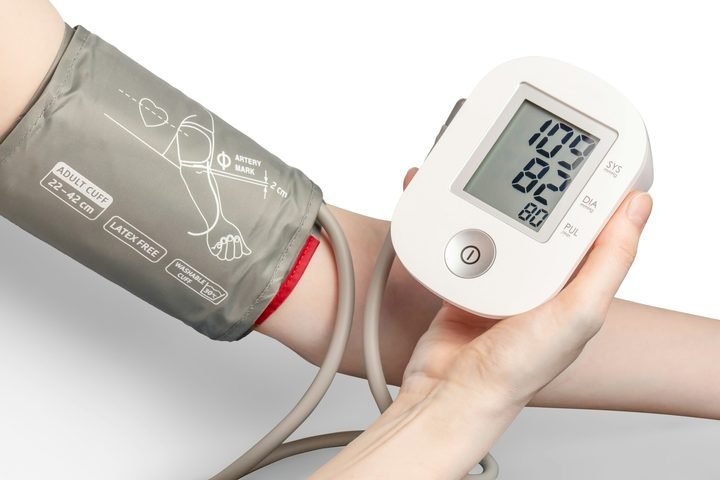
- Measurements and tests The examiner may take measurements such as height, weight and blood pressure, and may collect samples if your insurer requires them. Ask in advance what's included.
- Review The insurer's underwriters review the results with your application and decide on your offer.
When you schedule, ask what the exam covers, how long it takes, and whether you should do anything to prepare. The examiner can tell you what your insurer requires.
What happens to your health information: MIB
MIB is a membership group of life and health insurers in North America. With your authorization, member insurers report information of underwriting significance, such as certain medical conditions or hazardous hobbies, in coded form. Other members can see those codes when you apply with them.
- ✓ You have an MIB file only if you applied with a member insurer in the last seven years and information of underwriting significance was found.
- ✓ The codes don't show whether an application was approved or declined, and they aren't a full medical record or a credit score.
- ✓ MIB is a consumer reporting agency under the Fair Credit Reporting Act, so you can request one free copy of your file each year.
- ✓ If something is wrong, you can dispute it. MIB says only a small share of files historically needed changes after a dispute.
That's one more reason honesty matters. Your answers on one application can be compared with information from past applications.
How to prepare for your exam
You can't change your health overnight, but you can make the exam go smoothly:
- ✓ Gather your information. Have a list of your medications, doses and doctors' names and contact details ready.
- ✓ Follow the examiner's instructions. If you're asked to fast or avoid certain things before the exam, do it.
- ✓ Schedule at a calm time. Pick a time when you're not rushed or stressed.
- ✓ Be honest. Leaving out a condition can cause problems later, including when your family files a claim.
- ✓ Ask questions. If you're unsure what a test is for, ask.
After the exam
Elena's term policy
Elena, 42, applies for a 20-year term policy. The insurer schedules an exam at her home on a weekday morning.
She has her medication list ready and answers the health questions in detail, including the blood pressure medicine she takes. The visit takes about half an hour.
A few weeks later, the insurer offers her a policy at a slightly higher rate than the online estimate, because of her blood pressure. She accepts.
When the policy arrives, she uses the free-look period to read it carefully before deciding to keep it.
Illustrative example. Names are made up. Exams, timelines and pricing vary by insurer.
When your policy arrives, you'll have a free-look period to review it and cancel for a refund if it isn't right. TDI says Texas policies have a free-look period of at least 10 to 20 days. Other states set their own periods.
If the offer isn't what you expected
- Ask why Ask the agent or insurer what affected your rate.
- Check your MIB file Request your free copy and dispute anything that's wrong.
- Compare other insurers Insurers weigh health factors differently, so another company may offer a better rate.
- Consider a smaller policy or shorter term A lower amount or shorter term can bring the premium down.
Why honesty on the application matters
It can be tempting to leave out a health condition in the hope of a lower premium. It's a risky move. Your answers become part of the policy, and insurers can review them later. Life insurance policies typically have a contestability period, usually the first two years, when the insurer can look more closely at the information on your application if a claim is filed. If something important was left out, your family's claim could be delayed or denied.
A slightly higher premium is a much better outcome than a policy that doesn't pay. If you're worried about how a condition will affect your rate, talk to an agent or compare several insurers before you apply.
Our guide to the life insurance contestability period explains how insurers review claims in a policy's early years.
Frequently asked questions
Can I be denied after a life insurance medical exam?
Yes. The insurer may decline to offer coverage or offer it at a higher rate based on underwriting. You can ask why, check your MIB file, and compare other insurers.
Why do I need a medical exam for life insurance?
It's part of underwriting. The Texas Department of Insurance says underwriting often includes a medical exam and questions about your health, job and habits, which help the insurer decide whether to sell you a policy and at what price.
Can I get life insurance without a medical exam?
Yes. Some policies use health questions only, and guaranteed issue policies skip health questions. They often cost more or offer lower coverage.
What is MIB?
MIB is a group of member insurers that, with your authorization, share coded information of underwriting significance from past applications. It isn't a full medical record.
Can I see my MIB file?
Yes. You can request one free copy of your file each year and dispute anything that's wrong.
What should I do before my exam?
Have your medication list and doctors' details ready, follow the examiner's instructions, and answer every question honestly.
Planning for your family?
Compare options available where you live, or call to talk it through with a licensed agent. Looking is free.
ConnectingCrowd is an information site and is not affiliated with any government agency.
Compare life insurance options
SponsoredRelated guides
See all life insurance guides Your MIB report: what life insurers may see when you apply
 No medical exam life insurance: how it works, and the catches to know before you apply
 How much is life insurance? Monthly rates by age and coverage amount
 Pre-need funeral contracts: how prepaid funeral plans work and what to ask first
 Life insurance policy loans: how borrowing against cash value works and what it can cost your family
 FEGLI explained: how federal employee life insurance works, from Basic coverage to Options A, B and C
See life insurance options in your state
Policies vary by state and insurer. Enter your ZIP code to compare options. Looking is free.
Compare life insurance for your situation
SponsoredDisclaimer: This article is for general information only and is based on publicly available sources, which may be incomplete, outdated or incorrect. It is not legal, financial, insurance, tax or medical advice. ConnectingCrowd is not affiliated with any government agency, insurer or lender. Please do your own research and talk to a licensed professional before making any decision.